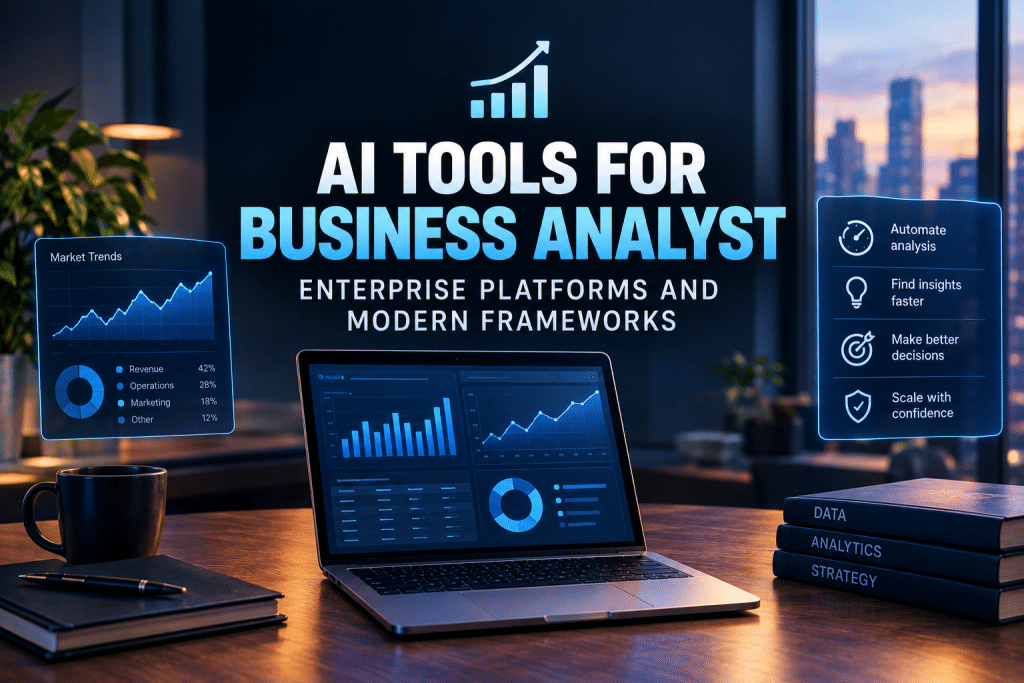
AI Tools for Business Analyst: Enterprise Platforms and Modern Frameworks
On this page
The current software environment has shifted decisively toward agentic analytics—autonomous software frameworks that proactively monitor enterprise data streams, flag background anomalies, and generate predictive market models without waiting for explicit user prompts. This shift allows strategic teams to bypass routine data preparation and focus directly on executing data-driven choices, operational optimization, and long-term infrastructure scaling.
From Descriptive Charts to Proactive Agentic Analytics
Modern analytical workflows split computational responsibilities between core cloud data warehouses and integrated neural processing layers. When raw commercial data is ingested, specialized AI modules automatically evaluate database relationships, execute schema alignment, and isolate performance anomalies such as sudden spikes in customer churn or unexpected shipping delays. Instead of forcing managers to manually slice tables in Excel, intelligent workspaces deploy persistent digital analysts that deliver automated metrics summaries directly into Slack or corporate emails. These systems use advanced reasoning models to answer natural language questions, translating vague stakeholder requests like “why did sales drop last Tuesday” into comprehensive, multi-file data cross-references instantly.
Reviewed Segment of Leading Analytical AI Environments
Microsoft Power BI with Copilot serves as the definitive industrial standard for companies embedded deeply within the Azure and Microsoft Fabric data ecosystems. The platform automates extensive data preparation via advanced Power Query logic, allowing business teams to build complex corporate dashboards through intuitive drag-and-drop actions or spoken commands. Its built-in anomaly detection and automatic forecasting metrics update in real time as fresh data populates corporate databases. While the tool delivers unmatched stability and seamless collaboration features for large scale organizations, configuring custom data models across distant legacy servers often requires initial technical training and a structured corporate cloud subscription tier.
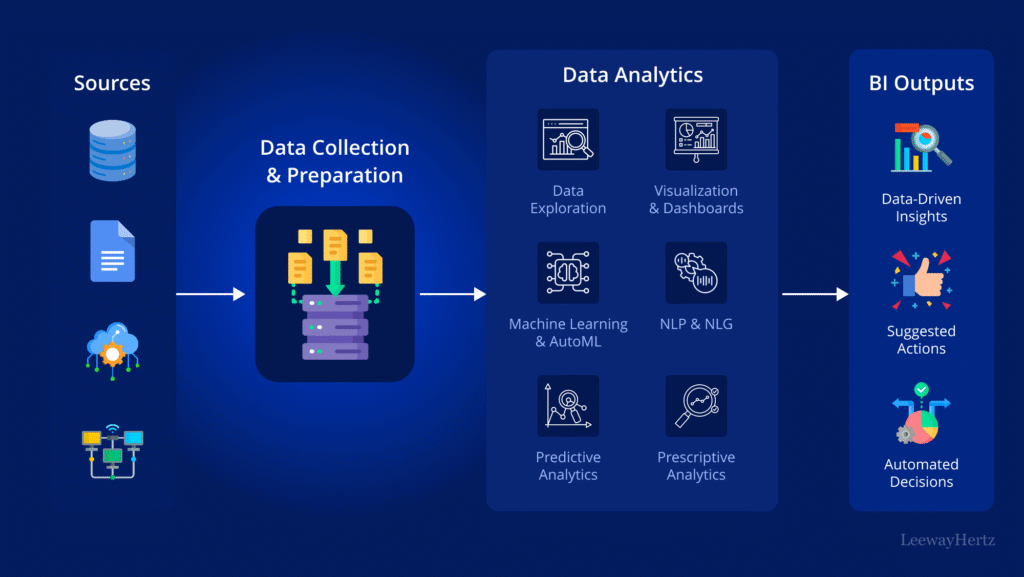
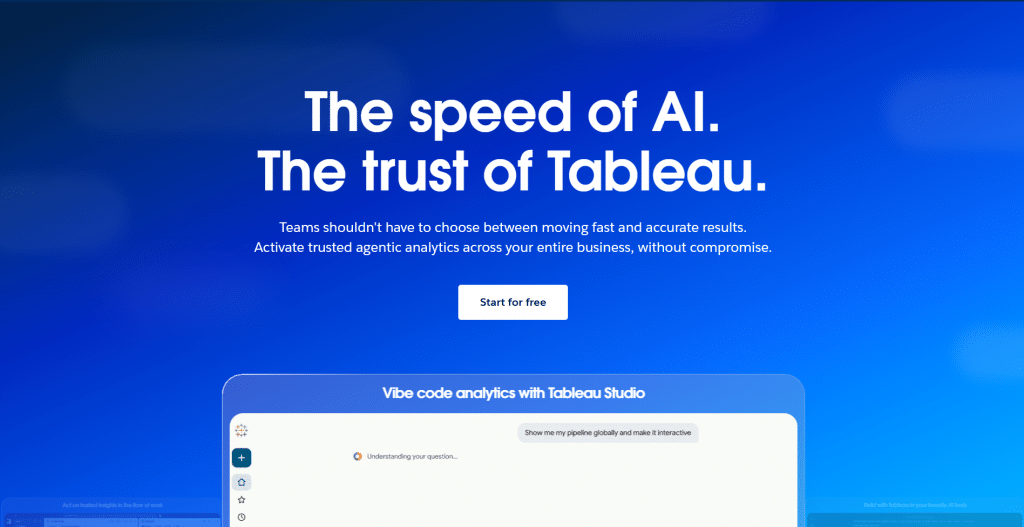
Tableau AI with Einstein provides Best-in-Class visual analytics and predictive modeling tailored for enterprises integrated with the Salesforce ecosystem. The software introduces automated alert frameworks that constantly track core business metrics, translating complex visual charts into plain language operational takeaways for non-technical stakeholders. Its integrated agentic assistant handles conversational queries, letting users build calculated fields and modify workspace layouts instantly. The primary strength of the ecosystem remains its massive community workbook library and high visualization precision, though high volume usage patterns require significant financial investments that scale based on active user seats.
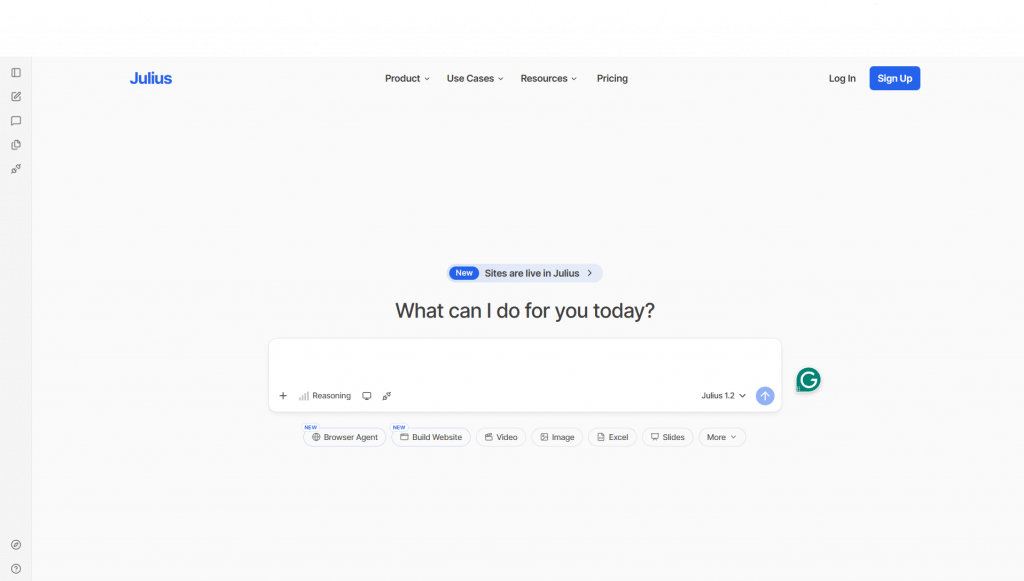
Julius AI represents a highly popular, research-focused conversational workspace optimized for rapid exploratory data analysis from raw spreadsheets or cloud databases. Analysts can upload extensive CSV, Excel, or SQL files, and the tool builds interactive charts, statistical summaries, and repeatable coding scripts in a notebook-style environment based on plain English instructions. It stands out because it surfaces the actual underlying Python code behind every generated chart, making it an exceptional tool for data validation and investigative deep dives. However, its primary data connectors lean toward enterprise cloud data warehouses like Snowflake or BigQuery rather than small-scale retail operational tools.
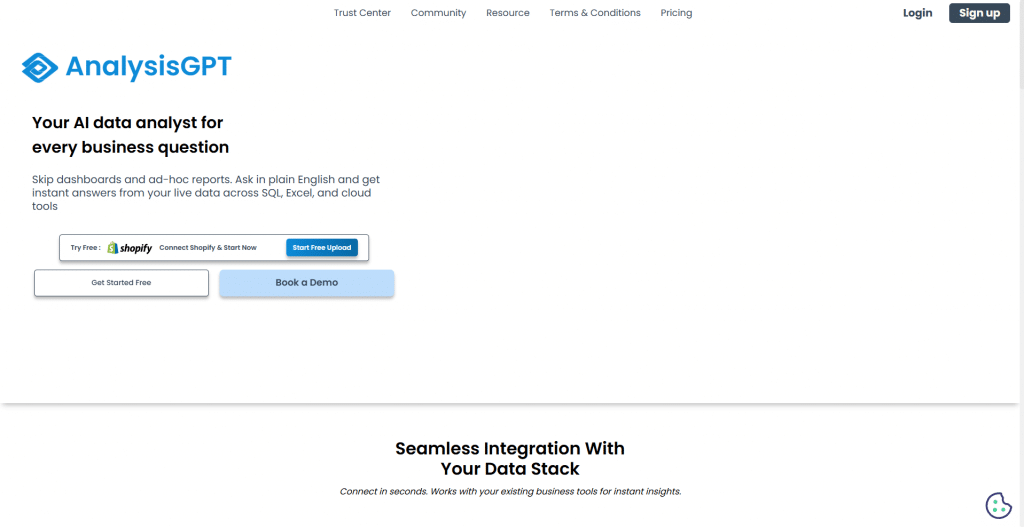
AnalysisGPT serves as a dedicated no-ETL (Extract, Transform, Load) conversational analytics platform engineered specifically for mid-market business operators and non-technical founders. The system completely eliminates the need for weeks of data engineering setup, allowing users to connect live data sources like Shopify or local spreadsheets and receive immediate trend alerts, predictive outcomes, and readable report decks. Its core security framework ensures the language model never sees raw operational figures, evaluating only the metadata layer to preserve privacy. It functions as a lightweight alternative to heavy BI architectures, though it provides fewer options for manual canvas customization.
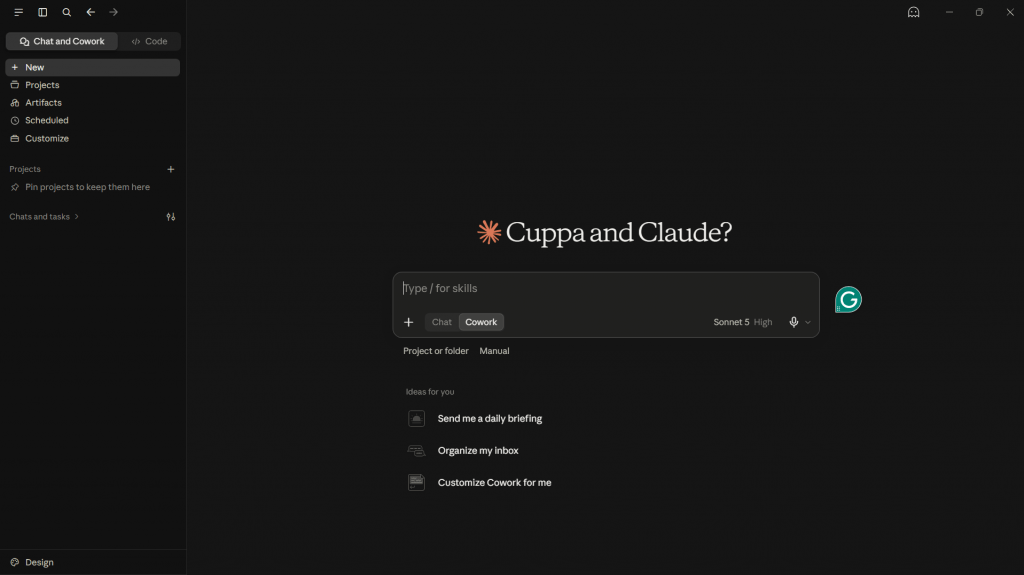
Claude AI by Anthropic has established itself as an indispensable utility for advanced business analysts tasked with writing production-ready SQL scripts, refining data transformations, and drafting technical requirements specifications. Thanks to its extensive context window and high coding precision, operators can input complex 300-row database schemas alongside strict business logic rules to receive clean, optimized queries and edge-case validations out of the box. While it functions as a standalone text and logic interface rather than an integrated graphical BI workspace, its capability to process unstructured meeting notes and output clear metrics specifications removes communication gaps between corporate stakeholders and engineering divisions.
Technical Specification Matrix: Business Intelligence Software
To optimize infrastructure expenditure and secure accurate generation outputs, data architecture leaders must compare how different analytical frameworks manage localized software deployment, format integration, and user access controls. Matching your data volume against specific platform limits prevents processing drops during high-velocity quarterly auditing periods.
| Platform Title | Processing Infrastructure | Primary AI Mechanism | Supported Data Formats | Optimal Corporate Role |
|---|---|---|---|---|
| Power BI + Copilot | Microsoft Fabric Cloud / Azure | Automated insights, forecasting, Q&A | SQL Server, Excel, Azure, Analysis Services | Enterprise teams standardized on Microsoft products |
| Tableau + Einstein | Salesforce Cloud / Desktop Suite | Tableau Pulse alerts, metric summaries | Over 100 native cloud and local databases | Advanced visual analytics in large organizations |
| Julius AI Workspace | Web Browser Cloud Sandbox | Conversational chart and code notebook build | Excel, CSV, Postgres, BigQuery, Snowflake | Rapid exploratory data analysis and verification |
| AnalysisGPT Hub | No-ETL Metadata Cloud Engine | Plain language business trend tracking | Excel, CSV, direct retail tool connections | SMB operators needing swift multi-source overviews |
| Claude AI Workspace | Advanced LLM Cloud Interface | Long-context code & specification generation | Unstructured text, SQL DDL, CSV sheets, PDF | Technical analysts writing queries and specs |
Operational Framework for Data Preparation and Governance
Even the most advanced agentic neural network will generate incorrect forecasts or hallucinated metrics if it is fed unvanned, duplicate, or poorly structured database sheets. Before linking automated AI agents to your active data pipelines, technical teams must establish clear data cleaning protocols, ensuring that missing values are accounted for and historical anomalies—such as a temporary supply drop—are labeled correctly. This baseline data management prevents automated algorithms from misinterpreting historical deviations as active commercial trends.
Conclusion
The implementation of proactive, agentic artificial intelligence has successfully turned business analytics from a manual data manipulation task into a scalable, high-velocity corporate utility. By linking advanced reasoning models directly with governed data warehouses, modern enterprises can track business health, identify hidden market patterns, and deploy predictive strategies in real time. Every software environment carries individual integration limits, requiring technical managers to select platforms that align with their exact infrastructure architecture and budget constraints. Combining smart automated processing models with rigorous human validation ensures that your final enterprise dashboards deliver clear, actionable insight and true commercial value.