Comparison

Main page » Comparison
4 seconds ago 0 0
A detailed technical comparison of Gradio and Streamlit — the two leading Python frameworks for building ML applications ...
2 weeks ago 1 636
In today's world, artificial intelligence is rapidly developing, and many tools for automating text processing, data analysis, and ...
3 weeks ago 0 70
3D Body Visualizers: A Complete Guide to Digital Anthropometry Historically, clinical and industrial anthropometry relied on one-dimensional metrics—weight, ...
3 weeks ago 0 15
Tired of Google's ads and tracking? From privacy-focused DuckDuckGo and Brave to AI-powered Perplexity and premium Kagi — ...
1 month ago 0 29
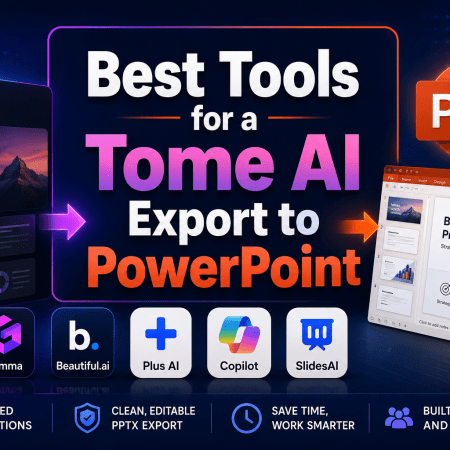
Tome AI creates beautiful narratives, but exporting to PowerPoint often breaks layouts. We review five tools — from ...

1 month ago 1 42
We break down pricing plans for HeyGen, Synthesia, D-ID, Colossyan, and Elai. Minutes vs. credits, custom avatars, hidden ...
2 months ago 0 98
Best AI Bank Statement Generators Financial documents are an area where strict rules and templates have traditionally reigned. ...
2 months ago 12 196
Best AI Hentai Comic Creators Generative AI has made the creation of hentai content truly mass-scale. What used ...
2 months ago 0 70
Best AI Barbie Selfie Generators Pink aesthetics, flawless skin, shiny hair and the iconic doll box became a ...
2 months ago 2 367
Top 5 Best Projected Panorama AI Generators Just a few years ago, creating a high-quality 360‑degree environment meant ...

The AI comparison section is a technical resource designed to provide objective, side-by-side evaluations of various artificial intelligence tools, models, and platforms. This category moves away from individual reviews to focus on the relative strengths and weaknesses of competing solutions. By analyzing performance benchmarks, pricing structures, and functional capabilities, these guides help users identify the most suitable software for their specific operational needs.

The primary goal of this category is to simplify the selection process in a crowded market. Whether comparing large language models, image generators, or specialized business automation tools, these evaluations provide the factual data required to choose a technical stack based on evidence rather than marketing claims.

Read More

Core Functions of AI Comparison Guides

The resources in this category provide a systematic breakdown of how different tools perform when measured against the same criteria. Their primary functions include:

Feature and Capability Benchmarking

A central part of any comparison is the analysis of technical features. These guides examine what a tool can do compared to its closest rivals—for example, comparing the coding proficiency of GPT against Claude. By looking at specific test results and reasoning capabilities, the comparisons show which model handles complex logic or creative writing more effectively. This allows developers and businesses to pick a tool that aligns with their primary task.

Cost-Benefit and Pricing Analysis

Choosing an AI tool often comes down to the budget and the return on investment. The comparison section breaks down different pricing models, such as flat monthly subscriptions versus credit-based systems. By comparing the cost per 1,000 tokens or the price of generating a high-resolution video, these guides help users calculate the long-term expenses of running a specific software in a professional environment.

Workflow and Integration Testing

Software does not exist in isolation. These comparisons evaluate how easily a tool fits into an existing technical routine. This includes looking at the availability of APIs, browser extensions, and mobile apps. For instance, a comparison might look at how Microsoft Copilot integrates with Office 365 compared to how Google Gemini works within Workspace, helping users choose based on their current ecosystem.

Target Audience and Comparison Use Cases

These comparative resources are tailored for individuals and organizations making strategic software decisions:

  • CTOs and Tech Leads: They use these guides to compare enterprise-grade models for security, scalability, and API reliability before integrating them into company infrastructure.
  • Content Creators: Digital artists and writers compare tools like Midjourney and DALL-E to see which one offers better control over style, aspect ratios, and commercial usage rights.
  • Small Business Owners: Founders use comparisons to find the most cost-effective “all-in-one” assistants that can handle a variety of tasks—from drafting emails to basic data analysis—without requiring multiple subscriptions.
  • Students and Researchers: Academic users look for comparisons between research-focused AI tools to find those that offer the best citation accuracy and document summarization features.

Classifications of AI Comparisons

To help users find relevant data, comparisons are typically organized by the technical niche of the tools involved:

  • LLM Head-to-Head: Direct evaluations of the “brains” behind the tools, focusing on logic, math, and natural language understanding.
  • Visual Generation Shootouts: Comparisons between image and video generators, looking at visual fidelity, temporal consistency, and prompt adherence.
  • Productivity Suite Face-offs: Evaluations of integrated platforms that offer a range of office or project management features.
  • Niche Utility Comparisons: Side-by-side looks at specialized tools, such as different AI transcribers, SEO writers, or background removal services.

Key Selection Criteria for Tools

When using these comparison guides to pick a tool, focus on these technical markers:

  1. Output Accuracy: In professional writing or data analysis, the frequency of “hallucinations” or errors is a deciding factor. Comparison guides often track these error rates across different models.
  2. Ease of Use vs. Power: Some tools offer simple interfaces for quick results, while others provide deep customization for expert users. The guides help identify where a tool sits on this spectrum.
  3. Data Privacy Policies: For corporate use, the way a tool handles input data is a major differentiator. Comparisons highlight which tools keep data private and which use it for further training.
  4. Community and Support: The availability of documentation, active user forums, and responsive developer support can be a deciding factor when two tools are technically similar.

As the industry matures, the differences between top-tier AI tools are becoming more subtle. We are moving toward a period where the choice of a tool depends less on basic capability and more on specific workflow alignment and pricing efficiency. By providing a clear, data-driven record of these differences, the comparison category serves as a roadmap for navigating the rapid expansion of the AI market.

Using these guides allows for a more analytical approach to software adoption. Instead of trial and error, users can rely on technical benchmarks and functional comparisons to build a toolkit that is both effective and sustainable.