Grok vs ChatGPT vs DeepSeek: The Ultimate AI Comparison
On this page
Picking an AI assistant used to come down to which one wrote the smoothest paragraph. Not anymore. The leading models have specialized, and the three in this comparison pull in clearly different directions: xAI’s Grok is built around real-time information, OpenAI’s ChatGPT is an all-in-one creative and productivity workspace, and DeepSeek is an open-weight model that delivers strong reasoning at a fraction of the cost. This guide breaks down what each does best, where each falls short, and how to choose, or combine, them for your own work.
A quick note on versions: all three companies update their models frequently, so exact version numbers and benchmark figures change fast. This comparison focuses on each platform’s durable strengths rather than a snapshot that will be outdated in a month. Check each provider’s site for the current model and pricing before you commit.
Three Different Philosophies
The biggest differences are not about who writes slightly better prose, but about where each model gets its information and what it is built to do.
Grok is a real-time engine. Its defining feature is deep integration with X (formerly Twitter). Through its live search tool, it can scan current posts, breaking news, and public conversations, which makes it strong at tracking events as they happen. It also leans into reasoning, spending extra compute to work through harder problems, and has a looser, more opinionated default tone than its rivals.
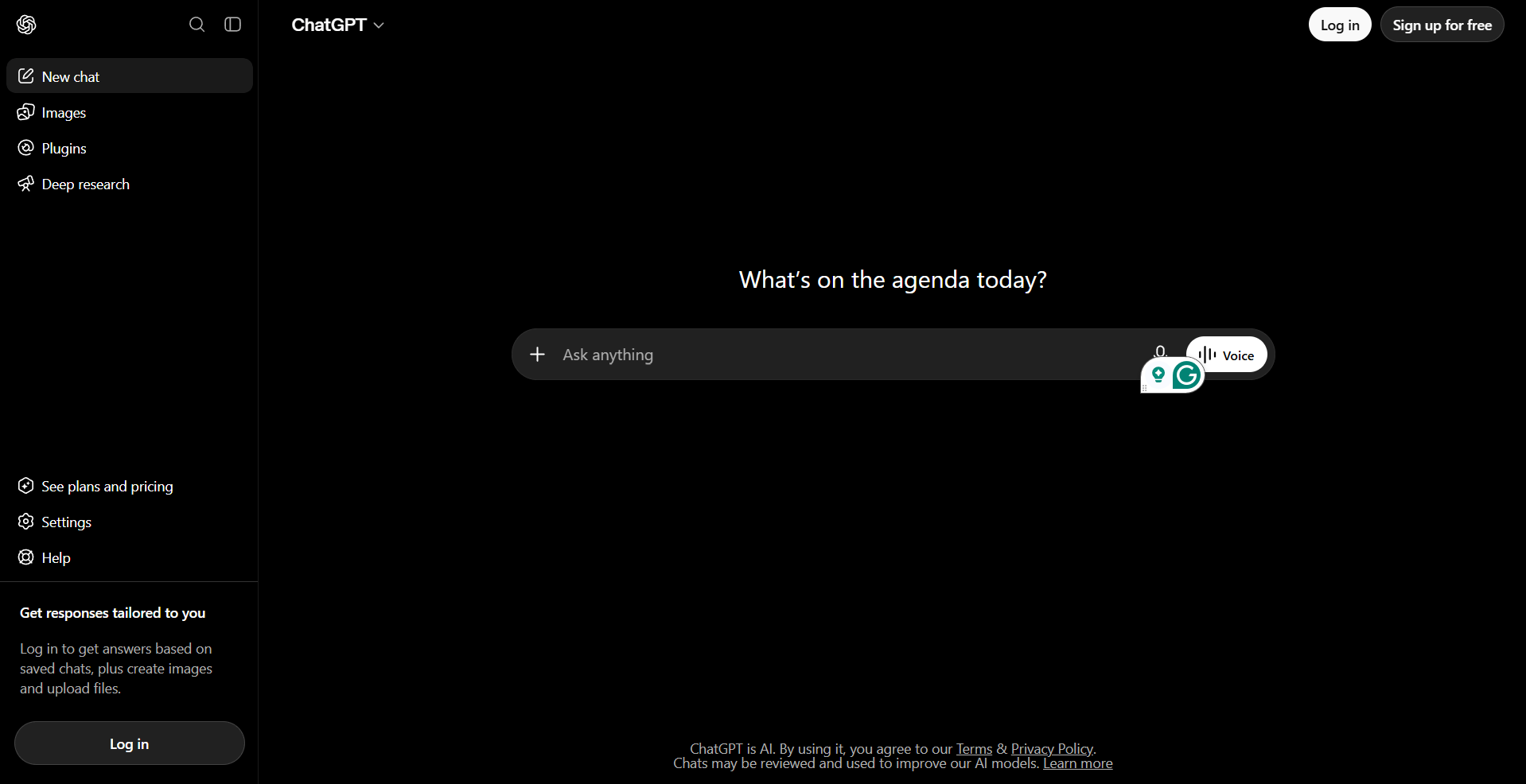
ChatGPT is an all-in-one workspace. Rather than specializing, it combines writing, coding, voice, image generation, file analysis, and web search into one polished interface. For most people it is the most complete single tool, and its ecosystem of integrations and team features is the deepest of the three.
DeepSeek is open and cheap. Built on a Mixture-of-Experts architecture, it offers reasoning quality that competes with the top proprietary models while costing far less to run. Crucially, its models are released under an open license, so they can be downloaded and run on your own servers, which the other two do not allow.

How They Handle Coding and Analysis
For programming and data work, the practical differences show up quickly.
DeepSeek is a standout for coding. It handles backend engineering, debugging, and translating code between languages with precision, and it tracks logic across large codebases well. For teams watching their budget, getting this level of coding ability at a low cost, or self-hosted, is its main appeal.
Grok matches strong coding ability with its live search, so it can check current library documentation and recent updates rather than relying only on what it learned in training. That helps avoid code built on deprecated or outdated frameworks.
ChatGPT holds a clear lead in writing. Its text reads naturally, keeps a consistent voice, and needs little cleanup, and its Canvas editor lets you refine specific passages collaboratively. For marketing copy, editorial work, and general business writing, it is the most capable of the three. It also runs code in a built-in sandbox for data analysis.

Information and Research
Research is where the split is sharpest.
- Grok is the pick for anything live: breaking news, market sentiment, trending topics. It treats the current internet, and X in particular, as a native source and cites what it finds.
- DeepSeek is better for depth, working through long documents, uploaded PDFs, and large bodies of text without losing track of context.
- ChatGPT sits in the middle with a capable deep-research mode that builds thorough, multi-page summaries, though it is aimed more at comprehensive analysis than up-to-the-minute updates.
Feature Comparison
| What matters | Grok | ChatGPT | DeepSeek |
|---|---|---|---|
| Main strength | Real-time X and web search | All-in-one multimedia workspace | Low-cost, open reasoning |
| Writing style | Direct, blunt, opinionated | Natural, fluid, adaptable | Analytical and structured |
| Coding | Strong, with live doc lookups | Strong, with sandbox execution | Excellent, near top proprietary tier |
| Multimedia | Text, images, file processing | Voice, image generation, code tools | Mainly text and documents |
| Self-hosting | No, cloud only | No, cloud only | Yes, open-weight license |
| Cost | Premium tiers | Premium tiers | Budget-friendly |
Which One Should You Choose?
The honest answer is that it depends on your work, and that you do not have to pick just one.
- Choose ChatGPT if you want one tool that does nearly everything well, for offices, marketing teams, and support, with the broadest ecosystem and the least technical setup.
- Choose Grok if your work depends on live information, tracking trends, breaking news, or real-time sentiment, where its X access is a genuine edge.
- Choose DeepSeek if cost or data control matters most, for lean startups, software teams, or regulated industries that need to self-host and keep sensitive data in-house.
Many teams get the best results by combining them: DeepSeek for cheap, heavy reasoning and self-hosted work, Grok for live research, and ChatGPT for polished writing and everyday tasks. The point is to match the tool to the task rather than forcing one model to do everything.
Conclusion
The AI market has moved past interchangeable, general-purpose chatbots. Grok, ChatGPT, and DeepSeek now each win at something specific: Grok at real-time information, ChatGPT at all-round capability and writing, and DeepSeek at low-cost, open, self-hostable reasoning. Rather than crowning one winner, the smarter move is to pick the one that fits your budget, your need for live data, and your data-privacy requirements, and to lean on more than one where it makes sense. Just remember that these models change quickly, so verify the current versions and prices before you decide.
❓ Frequently Asked Questions
Answers to relevant questions about this AI tool