How to Draw a Portrait from a Photo: Best AI Portrait Generators
On this page
The transformation of standard photographs into stylized digital portraits has evolved from simple pixel-distortion filters to advanced generative asset synthesis. Traditionally, converting a personal selfie into an oil painting, vector illustration, or corporate headshot required either professional digital painting skills or hours of manual editing inside graphic suites. Modern artificial intelligence platforms automate this workspace entirely by deploying diffusion transformer models. These neural frameworks evaluate face symmetry, depth, and local lighting parameters to render fully original artwork that preserves the user’s authentic features. This updated overview examines the leading AI portrait generators, detailing their processing speeds, style options, and structural constraints to help you choose the ideal system for social media, personal branding, or commercial design.
Single-Shot Adaptation: How Modern Portrait AI Operates
Current generation portrait platforms have abandoned legacy architectures that required users to upload dozens of different selfies to train a localized character matrix. Modern systems utilize advanced face-identity adapters that extract fine anthropometric coordinate maps from a single source image instantly. The algorithm separates structural facial details—such as eye distance, nose shape, and jawlines—from environmental data like bad background lighting or clothing folds. This facial matrix is then projected directly into a generative diffusion layer that handles texture mapping. Whether rendering a fantasy anime character or a gallery-worthy watercolor canvas, the network builds the hair strands, skin pores, and clothing textures from scratch, preventing the blurred edges typical of earlier photo filters.
Top AI Tools for Photo-to-Portrait Conversion
Fotor AI Portrait Generator functions as a highly versatile, all-in-one graphic design workspace equipped with comprehensive, one-click art styling modules. The platform features an extensive cloud library of predefined aesthetic presets, allowing creators to effortlessly shift a standard headshot into cyberpunk vector art, a 3D gaming avatar, or a classical charcoal sketch. Its integrated web builder includes post-processing sliders to adjust contrast, lighting values, and canvas framing metrics directly after the core generation cycle is complete. While the web interface is highly user-friendly and features an accessible free trial tier, downloading high-definition outputs without embedded corporate watermarks requires a premium subscription upgrade.
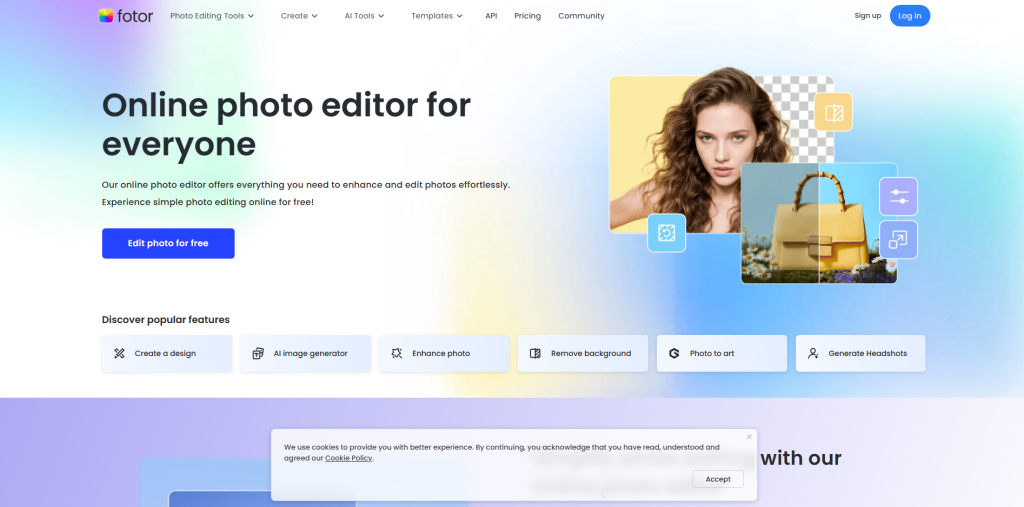
Visit the official Fotor website
Photo AI Studio represents the modern professional standard for users who require studio-quality corporate headshots, speaker photos, and realistic business portraits without visiting a physical studio. Built on high-fidelity photorealism models, the platform evaluates a source image and applies impeccable lighting matrices, correct depth of field, and natural camera bokeh backgrounds that pass corporate verification tests easily. It avoids the synthetic, overly polished look found in basic mobile filters, preserving real human skin textures, clothing fabric details, and hair complexity. The workspace operates on a clear pay-per-package structure, serving as a scalable alternative for small business teams.
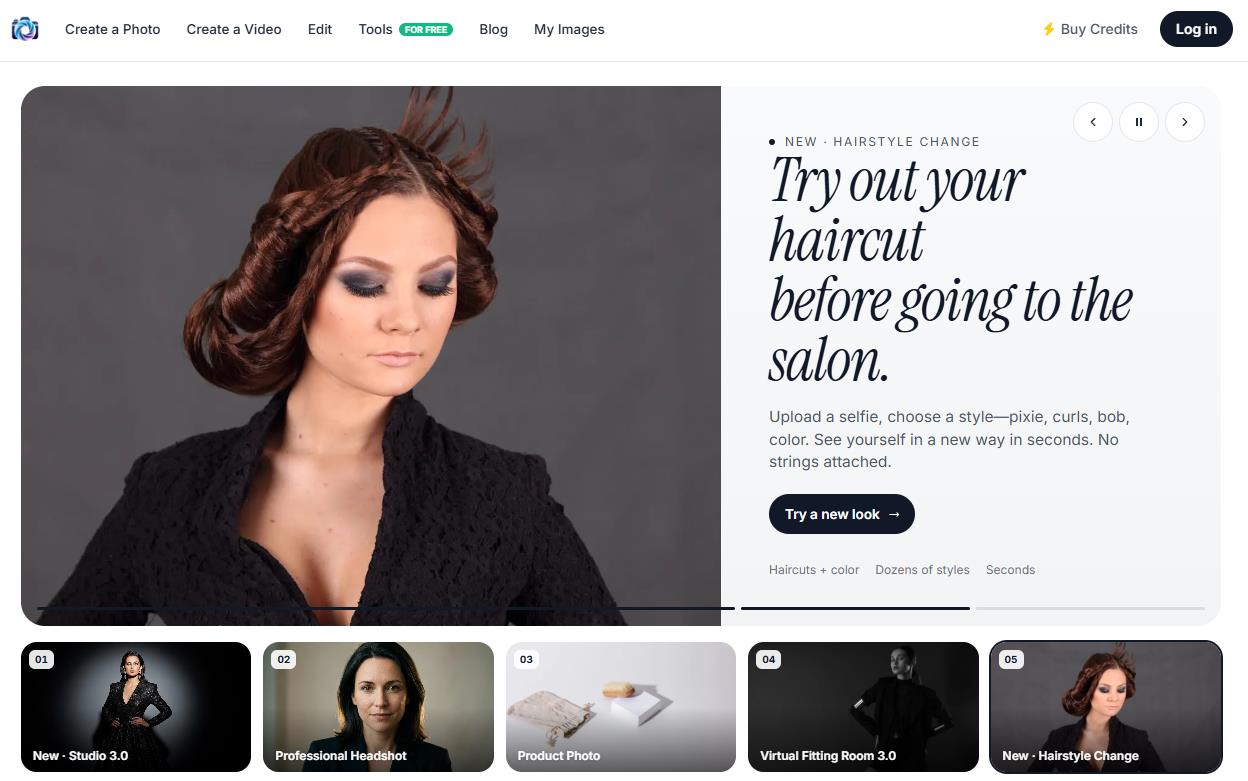
Visit the official Photo AI Studio website
Remini operates as a leading mobile-first application that combines advanced photo reconstruction with automated avatar generation packs. The software uses heavy machine learning models to upscale low-resolution facial files, sharpen blurred contours, and optimize overall exposure before applying stylistic transformations. Its specialized AI avatar engine converts casual smartphone selfies into polished, magazine-style headshots or creative digital illustrations within moments. While the application provides seamless mobile usability and direct export options for modern messenger channels, unlocking its uncompressed file rendering tiers and removing persistent daily generation caps requires an active subscription.
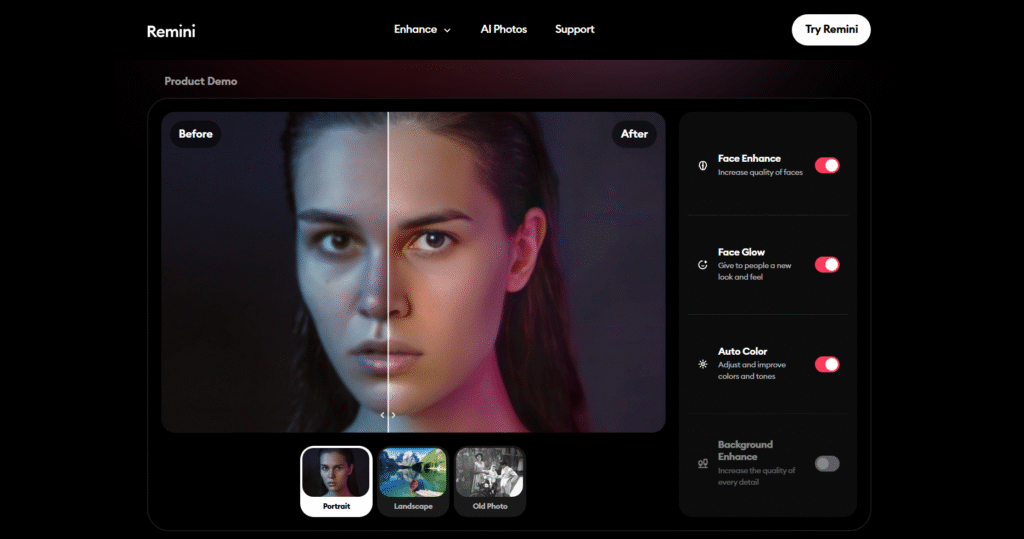
Visit the official Remini website
Lensa AI by Prisma Labs remains a highly popular consumer application, famous for initiating the viral wave of automated digital art bundles through its Magic Avatars feature. By processing uploaded portraits through diverse thematic pipelines, it outputs extensive collections of stylized artwork ranging from fantasy illustrations to classic pop-art prints simultaneously. The current infrastructure allows users to generate avatars for both human profiles and family pets with equal fidelity. Because the underlying system prioritizes varied creative formatting, the results can occasionally introduce minor symmetry errors, and generating an automated art pack operates on a credit transaction model.
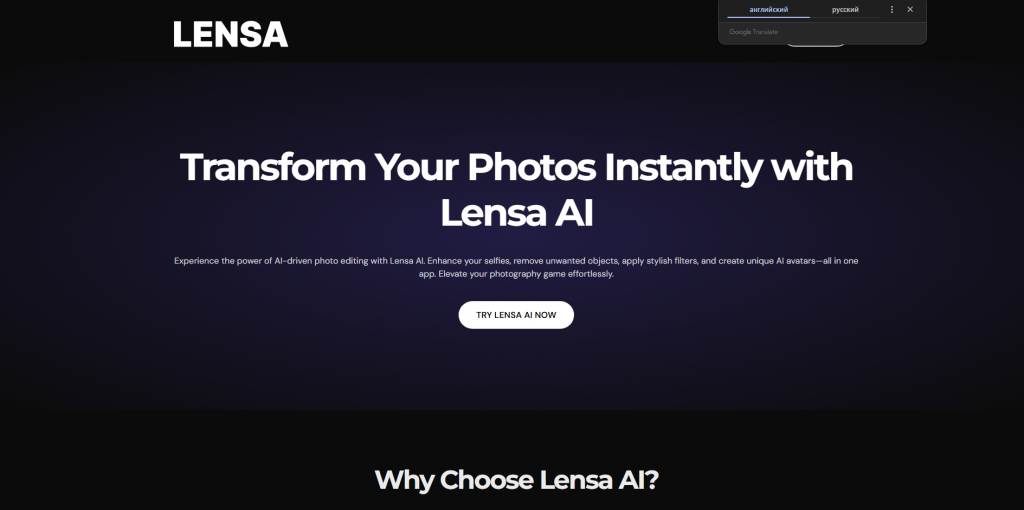
Visit the official Lensa AI website
Artbreeder targets digital artists and character designers who demand granular manual customization over facial structures and background elements. Operating on advanced StyleGAN layers, the web platform lets users blend multiple source portraits together like genetic traits or adjust specific facial attributes using precise slider controls. You can modify eye size, hair thickness, age metrics, and color balances mid-generation to create completely unique characters while maintaining structural consistency. The interface requires registration and presents a slightly higher learning curve, making it an elite playground for narrative world-building rather than rapid corporate headshot generation.
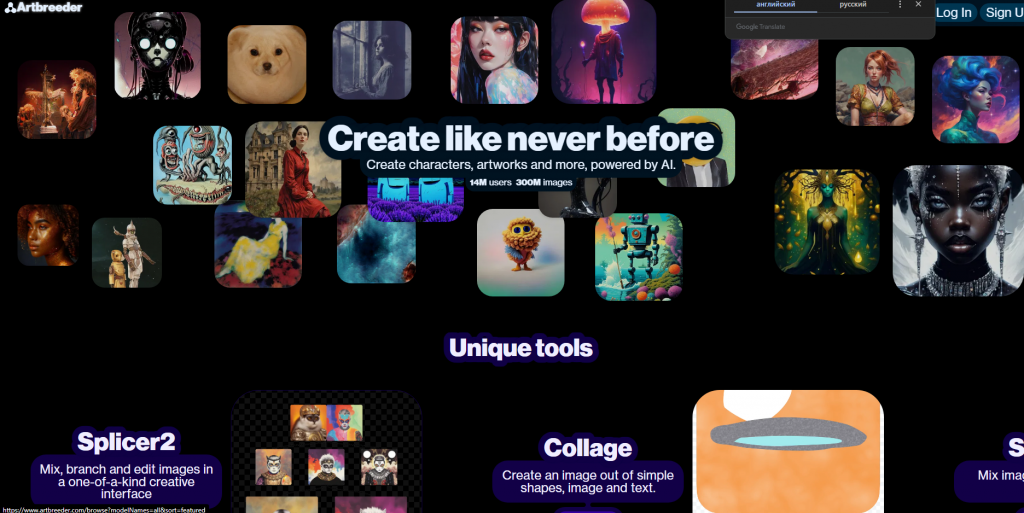
Visit the official Artbreeder website
AI Picasso serves as a highly popular, specialized mobile and web application engineered to transform standard user photographs into distinct hand-drawn illustrations and vibrant anime characters. The platform incorporates unique regional artistic models, making it exceptionally proficient at producing stylized illustrations, clean line art, and modern manga graphics that capture original facial identity perfectly. The system features a straightforward text-prompt overlay box, allowing creators to append explicit stylistic modifications—such as adding a cyberpunk jacket or a fantasy background—directly into the asset loop, offering an efficient workflow for digital creators and bloggers.
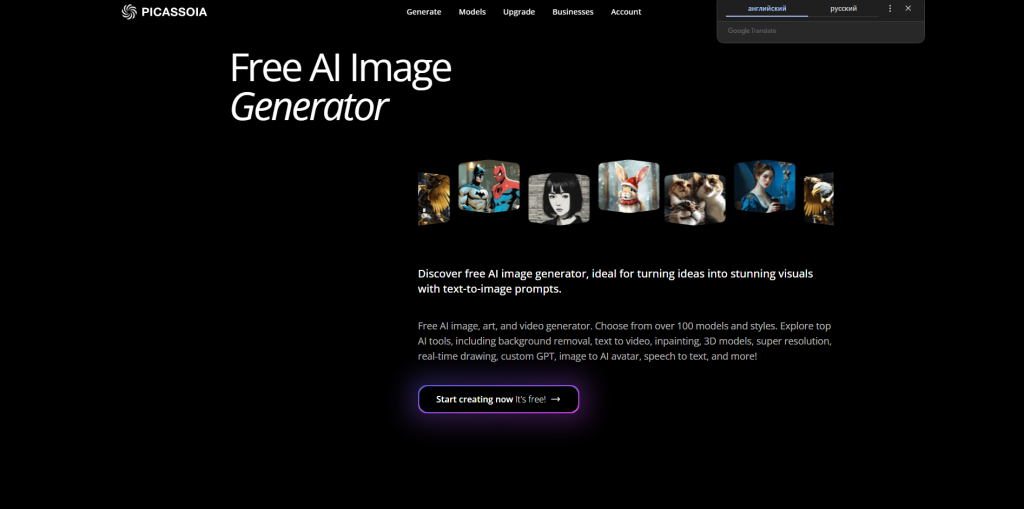
Visit the official AI Picasso website
Technical Specification Matrix: AI Portrait Software
To optimize your creative pipeline and guarantee high file resolution across digital print or web channels, you must evaluate how different software environments handle processing, export boundaries, and licensing rules. Choosing the correct platform prevents compression artifacts during continuous production cycles.
| Platform Name | Processing Deployment | Required Inputs | Maximum Export Format | Primary Artistic Focus |
|---|---|---|---|---|
| Fotor Portrait | Web Cloud / Mobile App | Single face photograph | Standard JPEG, PNG | Broad multi-style consumer filters and text prompts |
| Photo AI Studio | Web Browser Cloud | Single clean photograph | High-Definition Print Ready | Studio-grade corporate headshots and photorealism |
| Remini App | Mobile iOS / Android | Single or small batch selfies | High Definition (App Tier) | Photo reconstruction and polished social avatars |
| Lensa AI Suite | Mobile iOS / Android | Multiple baseline selfies | Standard JPEG format packs | Thematic multi-style digital art bundles |
| Artbreeder | Web Browser Canvas | Multi-parent image seeds | Standard Web Resolution | Granular manual feature mixing and character design |
| AI Picasso Hub | Mobile App / Web Cloud | Single photo + optional text | Standard JPEG, original wallpapers | Authentic anime, line art, and manga stylization |
Operational Checklist for High-Fidelity Character Renders
Achieving an authentic, gallery-ready output from automated portrait software depends directly on the pixel and lighting structure of your initial source asset. Even the most advanced diffusion adapter will produce unnatural facial asymmetry, blurred eye details, or waxy skin patches if it is forced to process blurry, low-resolution, or heavily filtered photography. Before initializing an automated rendering sequence, designers must follow a strict quality-control checklist. Ensure that the subject is facing directly toward the camera, use a crisp file source captured under flat, neutral studio lighting, and eliminate deep facial shadows or hats that mask hair texture. This preparation gives the landmark mapping matrix the clean data needed to maintain structural accuracy.
Furthermore, you must select your generation software based on strict licensing requirements and output target distribution channels. While free mobile editors or web-based demo platforms are perfectly sufficient for casual social media avatars or ad-hoc meme creation, developing visual assets for commercial advertising, book covers, or corporate merchandise demands professional-grade platforms that provide uncompressed file exports and full commercial ownership rights. Deploying your generation sequences through secure web architectures prevents sensitive personal files from entering public training datasets, ensuring high privacy data governance across your digital asset management pipelines.
True creative optimization moves past automated filters; configuring strict source requirements and choosing the proper rendering model prevents the synthesis of visual artifacts.
Conclusion
The maturation of generative deep learning models has successfully turned digital portrait creation from a manual illustration task into an agile, programmatic business asset. By linking identity-preserving face adapters with advanced diffusion transformers, contemporary platforms allow design agencies and general consumers to render stunning visual art in a matter of seconds. Every application features unique processing constraints, requiring technical managers to select the platform whose formatting options and cost parameters align with their production targets. Combining smart software deployment with careful input screening guarantees that your generated portraits preserve authentic identity, clear styling, and professional presentation value.