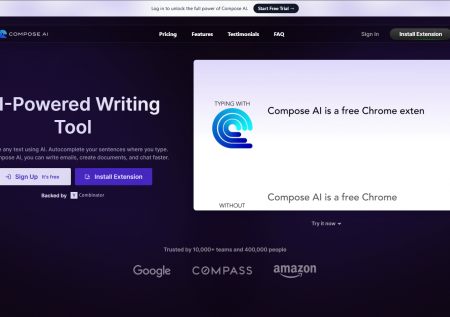
Synthesia is a service that turns regular text into video. You simply write what you want to say, and the system creates a video of a digital human speaking it. It looks completely natural, as if a live presenter were reciting your text. It's convenient when you need to quickly create a video without a camera or editing.
T&Cs Apply
Pricing model: Paid subscription (Personal plan starts at $30/month, Enterprise – customized pricing). A free trial demo is available upon request. Developer: Synthesia.
Claude AI is an advanced AI assistant from Anthropic for complex text, data, and programming tasks.
T&Cs Apply
Pricing model: Freemium (free with limits, paid Claude Pro subscription). Developer: Anthropic.
Kling AI is a neural network that can create videos directly from text. That is, you just write what you need to see, and she turns your words into a moving picture.
T&Cs Apply
Price model: Freemium (free with daily credits, paid subscription starting at $6.99/month). Developer: Kuaishou Technology.
Gemini is a multi-functional AI assistant from Google for generating and analyzing text, code, and images.
T&Cs Apply
Pricing model: Freemium (free with limits, paid Gemini Advanced subscription). Developer: Google (DeepMind).

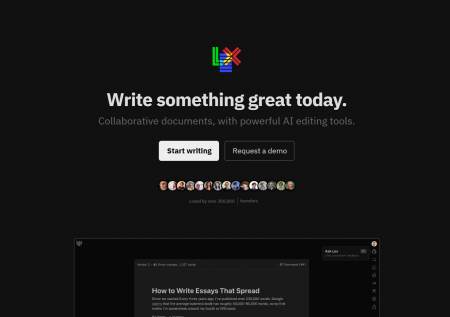
Are you familiar with WriteSonic? It is one of the most advanced neural networks for text generation.
T&Cs Apply
Pricing model: Free plan with limitations, paid subscriptions from $16/month. Developer: Writesonic (founded by Samanyou Garg, San Francisco).

Working with text? Wordtune AI is your indispensable smart online assistant. This neural network for generating text (or rather, its enhanced versions) is a powerful AI for writing texts that becomes your co-author.

T&Cs Apply
Pricing: Free plan (limited functionality), paid subscriptions starting at $6.99/month. Developer: AI21 Labs.

In the following article, we will go into detail on how to set up and get the most out of this powerful voice editor for streamers and gamers.

T&Cs Apply
Pricing model: There is a free version with limitations. Full access (Pro) - by subscription. Developer: Voicemod SL Company.

Simplified: All-in-One AI Platform for Marketing, Design, and Content Creation

T&Cs Apply
Pricing model: Freemium (Free plan with limitations, paid subscriptions). Developer: Simplified Inc.

OpenAI's Big Language Model That Can Conversation and More

T&Cs Apply
Pricing model: Freemium (free access to GPT-3.5, paid subscription ChatGPT Plus for $20/month for GPT-4). Developer company: OpenAI (founders: Sam Altman, Ilya Sutskever).

Runway is your personal digital workshop for working with visuals and sound.

T&Cs Apply

Pricing model: Freemium (free plan with limitations, paid subscriptions from $12/month).
Developer: Runway AI, Inc.

AI Tools for Bloggers: Automating Content Strategy, Copywriting, and Multi-Channel Distribution

Maintaining a successful digital publication or enterprise blog requires balancing multiple demanding workflows, including keyword research, search engine optimization (SEO), long-form text production, and cross-channel promotional distribution. Consistently generating accurate, reader-focused content while managing technical optimization parameters frequently creates operational bottlenecks for individual creators and corporate marketing departments alike. Dedicated AI tools for bloggers directly address these overhead pressures by serving as highly automated editorial assistants. These specialized software suites utilize natural language processing, data modeling, and web-scraping pipelines to accelerate structural brainstorming, draft comprehensive article sections, audit copy for search visibility, and instantly format text for diverse distribution channels.

Integrating artificial intelligence into an editorial workflow alters how content managers plan and execute their production calendars. Instead of beginning with an unformatted blank page or manually spending hours decoding competitor search trends, writers use data-driven algorithms to isolate high-potential topics, map out detailed content hierarchies, and build logical semantic outlines. The core objective of these publishing platforms is to eliminate repetitive formatting friction and mechanical drafting delays. This structural support allows small business owners, niche site administrators, and enterprise brand strategists to scale their organic search footprint, compress article production cycles from days to minutes, and focus their primary energy on high-level creative direction, original source interviews, and brand positioning.


Core Technical Functions of Blogging Automation Platforms

The operational utility of artificial intelligence within the blogging ecosystem centers on its capacity to convert raw conceptual notes into polished prose while managing the rigorous technical requirements of modern web publishing.

  • Semantic Outline Generation: AI platforms analyze top-ranking search engine results pages (SERPs) to construct logical article frameworks, suggesting relevant subheadings, critical talking points, and specific semantic keyword variations.
  • Contextual Copywriting and Drafting: Advanced language models generate introductory hooks, descriptive body paragraphs, and concluding summaries based on specific target styles, technical industry tones, or established brand guidelines.
  • On-Page SEO Optimization: Built-in auditing algorithms evaluate draft text in real time, recommending precise keyword distributions, structural readability fixes, meta-tag creation, and logical internal linking strategies.
  • Multi-Platform Content Repurposing: These automated extraction engines instantly identify core themes from long-form blog posts and reformat them into short social media captions, email newsletters, or video scripts.

Targeted Roles and Practical Digital Marketing Workflows

Implementing specialized content generation software helps distinct publishing departments eliminate production delays by replacing slow, manual research sequences with fast, automated optimization loops.

Independent niche site owners use these tools to scale their informational content footprints without hiring expansive teams of external freelance writers. Instead of manually drafting every educational guide or product breakdown, creators feed initial research summaries into generation engines to produce comprehensive foundational drafts. This helps small teams establish topical authority across new categories while maintaining a highly consistent weekly publishing schedule.

Corporate content marketers and copywriters rely on machine learning systems to maintain absolute brand consistency across diverse business-to-business (B2B) and business-to-consumer (B2C) platforms. When an enterprise manages multiple distinct product lines, automated writing assistants help teams shift structural tones smoothly between deeply technical engineering whitepapers and casual, consumer-facing feature stories, keeping all public messaging completely aligned with corporate identity rules.

Social media managers and digital distribution specialists employ autonomous platforms to handle cross-channel promotion pipelines. By linking automated text summarizers directly to primary content management systems, teams can quickly generate promotional snippets tailored for platforms like X, LinkedIn, and corporate newsletters, ensuring every new article receives immediate multi-channel visibility without manual retyping.


Architectural Classification of Content Software

The wider market for digital blogging software features several distinct product categories based on system privacy, processing design, and creative goals.

System Classification Primary Operational Focus Standard Workflow Output
All-in-One Writing Assistants Raw text generation, tone adjustments, structural brainstorming Long-form articles, copy variants, creative hooks
Data-Driven SEO Optimizers SERP analysis, keyword density scoring, search metrics Content briefs, optimization scores, meta descriptions
Repurposing and Distribution Tools Text summarization, cross-channel formatting Social media captions, email summaries, script drafts

Organizations and individual creators must evaluate the benefits of standalone web applications versus specialized plugins that embed directly into existing content management setups. Standalone cloud platforms offer extensive feature sets and immense processing power for heavy competitor research phases. Conversely, direct integrations, such as specialized WordPress, Google Docs, or Notion extensions, allow writers to access real-time editing advice, grammar corrections, and optimization scores without leaving their primary writing interfaces.


Key Technical Features and Selection Parameters

When constructing a modern blogging tech stack, editorial teams must prioritize concrete functional metrics over generic software marketing promises to ensure long-term platform utility.

  • Factual Anchor Systems: A professional blogging tool must provide robust verification options. High-tier platforms feature built-in web-search capabilities or manual knowledge-base integrations that allow models to reference real-time data and cite specific sources, preventing inaccurate statements.
  • Plagiarism and Authenticity Screening: Quality content software includes integrated scanning features to verify text originality and ensure generated drafts avoid repetitive phrases or structural loops that can trigger search engine spam filters.
  • Custom Brand Voice Calibration: Advanced publishing software allows users to upload style guides, past articles, or specific tone parameters, ensuring all generated content matches the creator's unique voice and formatting preferences.

Step-by-Step AI-Assisted Editorial Pipeline

To gain predictable value from artificial intelligence while keeping total editorial control over content quality, bloggers should maintain a structured five-step production workflow.

  1. Topic Research and Selection: Use analytics tools to isolate high-value keywords, analyze competitor headings, and outline the core questions your target audience is trying to solve.
  2. Structural Context Anchoring: Input your target keywords, desired article length, and brand voice guidelines into the software setup, establishing clear boundary rules for the generation engine.
  3. Autonomous Content Draft Generation: Run the system to produce an initial full-length draft or build out individual sections iteratively to maintain precise control over complex subtopics.
  4. Human Editorial Review and Fact-Checking: Fact-check every statistic, verify all product references, and rewrite key paragraphs by hand to add personal experience, unique insights, and authentic brand perspective.
  5. Formatting and Search Optimization: Run the final text through on-page SEO checkers to confirm proper keyword alignment, add descriptive alt text to images, and export clean markdown directly into your publishing platform.

"Artificial intelligence cannot substitute for the unique perspective, firsthand experience, and trusted voice of a professional writer. Instead, it eliminates the operational drag of structural drafting and mechanical formatting, allowing creators to function as high-level editors and strategic curators of their digital publications."