SEO Specialists

DeepSeek AI is a smart AI chatbot from a Chinese company that helps with communication and text generation.

T&Cs Apply
Pricing: Free. Developer: Hangzhou DeepSeek Artificial Intelligence Co., Ltd. (China).
Claude AI is an advanced AI assistant from Anthropic for complex text, data, and programming tasks.
T&Cs Apply
Pricing model: Freemium (free with limits, paid Claude Pro subscription). Developer: Anthropic.
Gemini is a multi-functional AI assistant from Google for generating and analyzing text, code, and images.
T&Cs Apply
Pricing model: Freemium (free with limits, paid Gemini Advanced subscription). Developer: Google (DeepMind).

Are you familiar with WriteSonic? It is one of the most advanced neural networks for text generation.

T&Cs Apply
Pricing model: Free plan with limitations, paid subscriptions from $16/month. Developer: Writesonic (founded by Samanyou Garg, San Francisco).

Working with text? Wordtune AI is your indispensable smart online assistant. This neural network for generating text (or rather, its enhanced versions) is a powerful AI for writing texts that becomes your co-author.

T&Cs Apply
Pricing: Free plan (limited functionality), paid subscriptions starting at $6.99/month. Developer: AI21 Labs.

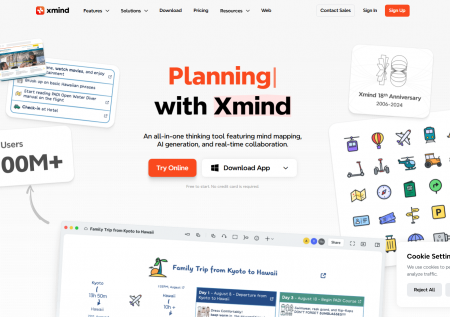
Xmind AI: Popular Mind Mapping Software. AI for Idea Generation

T&Cs Apply

• Pricing model: Free basic version; paid subscriptions (Pro, Ultimate)
• Developer: XMind Ltd.

Simplified: All-in-One AI Platform for Marketing, Design, and Content Creation

T&Cs Apply
Pricing model: Freemium (Free plan with limitations, paid subscriptions). Developer: Simplified Inc.

DeepL: Highly Accurate AI Translator with Natural-Sounding Text.

T&Cs Apply
Pricing model: Freemium (free with limitations, paid subscriptions from €6.99/month) Developer: DeepL SE (formerly Linguee GmbH)

Gamma: Create attractive presentations, documents and web pages

T&Cs Apply
Pricing model: Freemium (free: 400 credits; paid subscriptions from $9.99/month) Developer: Gamma Technologies Inc.

OpenAI's Big Language Model That Can Conversation and More

T&Cs Apply
Pricing model: Freemium (free access to GPT-3.5, paid subscription ChatGPT Plus for $20/month for GPT-4). Developer company: OpenAI (founders: Sam Altman, Ilya Sutskever).

QuillBot: Professional AI Rewriter and Paraphrasing Tool

Quillbot

Pricing model: Freemium (free plan with limitations, paid subscriptions)
Developer company: QuillBot Inc.

AI Tools for SEO Specialists: Automating Search Intelligence and Content Optimization

The search engine optimization landscape requires continuous data collection, search intent analysis, competitor monitoring, and content auditing. Search specialists, digital marketers, and web administrators routinely face the challenge of extracting actionable strategies from massive streams of raw search data. Manually analyzing keyword effectiveness index (KEI) metrics, tracking search engine results page (SERP) updates across multiple international markets, and identifying structural site vulnerabilities creates significant operational drag. Dedicated AI tools for SEO specialists directly resolve these overhead pressures by serving as automated search intelligence assistants. These software platforms use natural language processing and predictive machine learning models to clean messy keyword datasets, run technical site audits, and predict search visibility shifts.

Integrating artificial intelligence into search workflows fundamentally changes how web professionals manage optimization strategies. Instead of spending hours writing manual spreadsheet filters, formatting text strings, or diagnosing individual search console drops, users deploy automated software to run comprehensive digital investigations via simple prompts. The core objective of these applications is to remove mechanical data sorting and automate technical analysis loops. This technical support allows freelance optimizer teams, agency content heads, and e-commerce growth specialists to expand their search footprint, reduce research timelines from weeks to seconds, and focus on high-level site architecture, user behavior, and overall brand authority patterns.


Core Operational Functions of Modern Search Automation Software

The primary value of artificial intelligence within the search engine optimization sector lies in its capacity to process structured technical metrics alongside unstructured web text data at a massive scale. Traditional analytics dashboards require manual sorting, whereas modern search engines utilize artificial intelligence to prioritize conceptual relevance and search intent clusters.

  • Semantic Keyword Clustering: AI algorithms quickly evaluate long lists of user queries to group them into distinct topical clusters based on search intent, rather than simple keyword matches, helping teams map out structured content hubs.
  • Technical Site Audits: Advanced crawling software scans entire web directories to isolate missing metadata, identify broken redirects, spot duplicate text blocks, and pinpoint core web vitals performance issues before they impact search rankings.
  • Competitor Intelligence: These specialized software engines continuously monitor live search results pages to track shifts in competitor positions, analyze backlink profiles, and identify keyword gaps across target industries.
  • Automated Metadata Generation: Automated content systems analyze full page text structures to instantly generate search-optimized title tags, descriptive meta snippets, and descriptive alt text configurations matching targeted length rules.

Target Audience and Practical Optimization Use Cases

Implementing specialized search optimization systems helps diverse marketing and engineering roles eliminate development bottlenecks by replacing manual sorting sequences with automated verification loops.

Agency search specialists and content managers use these platforms to coordinate multi-market campaigns across different international target spaces. Instead of manually translating meta descriptions or tracking distinct regional search variants, professionals deploy specialized language models to generate localized title configurations and clear header structures, allowing digital agencies to manage expanding client rosters with fewer operational delays.

E-commerce managers and web developers rely on automated crawling applications to maintain technical site health across vast product catalogs. When a large digital storefront adds thousands of seasonal items, automated auditing software continuously screens URL structures for indexing issues or conflicting canonical tags, ensuring all product listings remain fully visible to search crawlers without requiring manual manual verification loops.

In-house marketing teams and content writers employ autonomous tools to scale informational article production while maintaining strict editorial quality rules. By connecting search optimization extensions directly to active writing software, creators receive real-time updates regarding semantic phrase usage, readability scores, and heading alignments, ensuring every published guide matches active user search patterns perfectly.


Architectural Classification of Search AI Technologies

The broader market for advanced optimization software features several clear product classifications based on data handling, processing design, and primary optimization goals.

System Classification Primary Data Inputs Standard Workflow Output
Data Analytics Engines Raw search console metrics, live click counts, position data Keyword clusters, position logs, traffic projection curves
Technical Optimization Crawlers Server logs, URL directories, structural site codes Error alerts, redirect maps, indexing priority checklists
Content Intelligence Editors Competitor page text, search query lists, text files Optimization briefs, meta tag variations, heading structures

Organizations must evaluate the operational benefits of cloud-hosted web applications versus localized software configurations. Cloud setups offer immense compute scaling, massive data storage, and instant updates for heavy competitive analysis phases and macro trend tracking. Conversely, technical specialists who regularly handle sensitive database structures, private server data, or proprietary enterprise software frequently choose localized command-line integrations or private cloud spaces to keep data completely secure within internal enterprise firewalls.


Key Technical Features and Quality Selection Parameters

When constructing an efficient search optimization tech stack, technical directors and team leads must look past generic marketing statements and prioritize concrete functional capabilities.

  • Live Source Tracking and API Interactivity: High-tier search platforms must integrate natively with primary search console tools and web analytics networks via standard REST APIs, making it simple to transfer position tracking details directly into corporate visualization dashboards.
  • Deterministic Context Protections: A professional keyword research tool must never invent search volumes or create fictional metric scores. Quality platforms ensure total accuracy by matching all semantic recommendations against real historical user search histories and verifiable search datasets.
  • Multi-Format Document Exporting: The platform must support flexible data exports, allowing creators to download clean structured spreadsheets, markdown briefs, or raw configuration code segments directly into content management setups without forcing manual file conversions.

A Structured Pipeline for AI-Assisted Search Management

To extract consistent enterprise value from artificial intelligence while keeping total editorial and technical control over site metrics, optimization professionals should follow a clear five-step operational pipeline.

  1. Scope Gathering and Target Isolation: Define your specific search optimization goals and gather the necessary target assets, such as historical search console sheets, active URL lists, or competitor ranking reports.
  2. Boundary Setup and Context Anchoring: Input your target keyword criteria, regional search markets, and formatting rules into the software application, establishing clear boundary guidelines for the analytical engine.
  3. Autonomous Processing and Discovery: Run the software engine to automatically cluster your keyword sets, identify structural page errors, map backlink opportunities, or project future traffic trends based on your input parameters.
  4. Human Verification and Strategic Review: Audit the platform's analytical recommendations against raw console statistics, check mathematical calculation accuracy by hand, and inject personalized professional insights, technical polish, and creative brand positioning.
  5. Deployment and Integration: Convert the verified dataset into structured summaries, clean search briefs, or finalized meta tag updates tailored for direct implementation inside your content management framework or deployment system.

"Artificial intelligence cannot substitute for the individual logic, localized technical knowledge, and strategic positioning of an experienced search engine professional. Instead, it eliminates the operational drag of manual data collection and repetitive formatting, giving specialists the freedom to focus on overall site architecture, user intent optimization, and brand authority."