Neural Networks for Animating Photos: TOP AI for Animation
On this page
The transformation of static portraits into dynamic, moving assets has shifted from basic structural pixel manipulation to generative frame synthesis. Historically, animating a vintage print or a digital illustration required graphic designers to manually warp facial sections, resulting in flat, artificial movements that easily ruined the visual illusion. Modern artificial intelligence platforms operate on advanced diffusion transformer architectures that analyze scene depth, environmental lighting parameters, and complex human anatomy. These networks simulate realistic physics, allowing creators to turn a single headshot into a fluid video clip where characters blink, speak, and change facial expressions naturally. This guide examines the leading AI tools currently available for photo animation, detailing their operational mechanics and deployment pipelines.
Generation Mechanics: From Motion Presets to Latent Driving Video
Contemporary animation frameworks split their computational processes into structural landmark mapping and generative video inpainting. When a static photograph is uploaded into an intelligent pipeline, a convolutional network instantly identifies crucial facial tracking points across the eyes, lips, jawline, and brow coordinates. Instead of applying rigid pre-built movement filters over these pixels, advanced systems utilize a method known as video-driven motion transfer. The algorithm reads a short reference video of a real actor—known as a driving video—and maps that exact performance onto the static subject. This methodology allows the engine to accurately replicate subtle micro-expressions, sudden head tilts, and complex tracking gazes while dynamically adjusting the background shadows to match the new head positions.
For audio-centric pipelines, the network deploys omnimodal reasoning models that link vocal tracks directly with facial physics. Platforms analyze incoming audio files or text-to-speech scripts, evaluating volume changes, vocal energy, and speech pacing. The model then generates coordinated mouth movements, appropriate emotional expressions, and realistic eye blinking that sync perfectly with the rhythm of the voiceover. To guarantee visual consistency across extended clips, modern software packages employ 3D variational autoencoders. These components ensure that important identity markers, clothing textures, and hair details do not morph into strange visual anomalies or drift unnaturally as the character moves throughout the generation sequence.
Verified Selection of Leading AI Photo Animation Platforms
Deep Nostalgia by MyHeritage remains the definitive platform for family historians, genealogy enthusiasts, and museum curators looking to breathe life into vintage monochrome archives. The underlying network specializes entirely in processing early 20th-century paper prints, utilizing advanced enhancement filters that automatically clean surface scratches and stabilize facial resolution boundaries before rendering motion. It applies subtle, historically respectful movements—such as gentle smiles, realistic head turns, and natural eye blinks—without introducing aggressive modern expressions that could compromise the archival authority of the original document. While it offers a limited free trial, full high-definition access requires an active membership subscription.

Visit the official MyHeritage Deep Nostalgia website
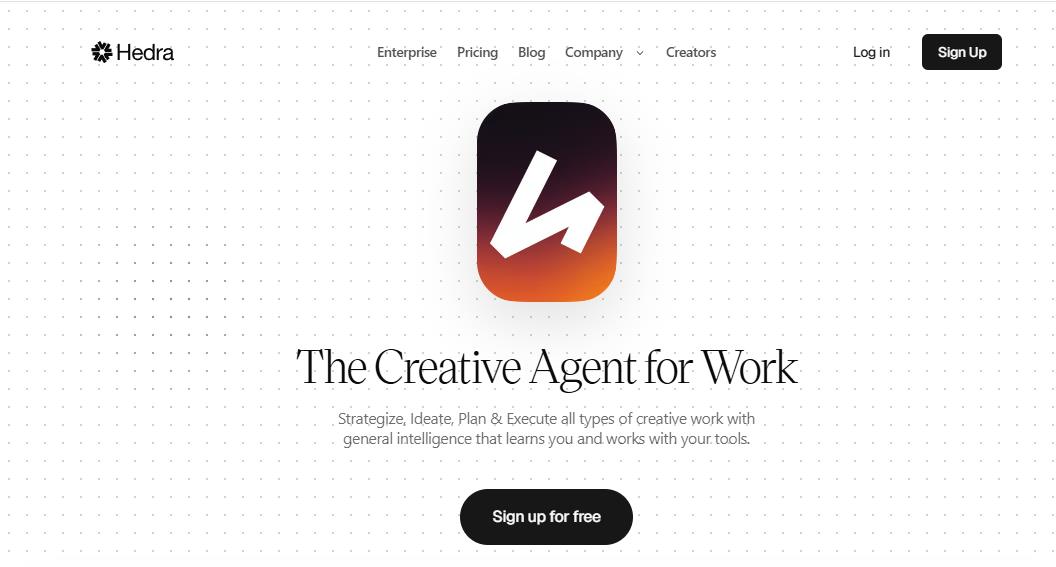
Hedra represents a major technological leap for digital content creators, marketers, and independent filmmakers who require highly expressive, audio-driven character generation. Powered by its advanced Omnia foundation model, the system jointly processes vision, script text, and audio components to output seamless talking portrait clips. Users upload a single photograph, type a script or attach a voice clip, and the engine generates a natural performance where facial micro-expressions are tuned directly to the emotional energy of the audio track. The platform includes deep software integrations with popular brand workspace tools, making it an elite utility for generating scalable video walkthroughs and rapid social media assets.
Visit the official Hedra website
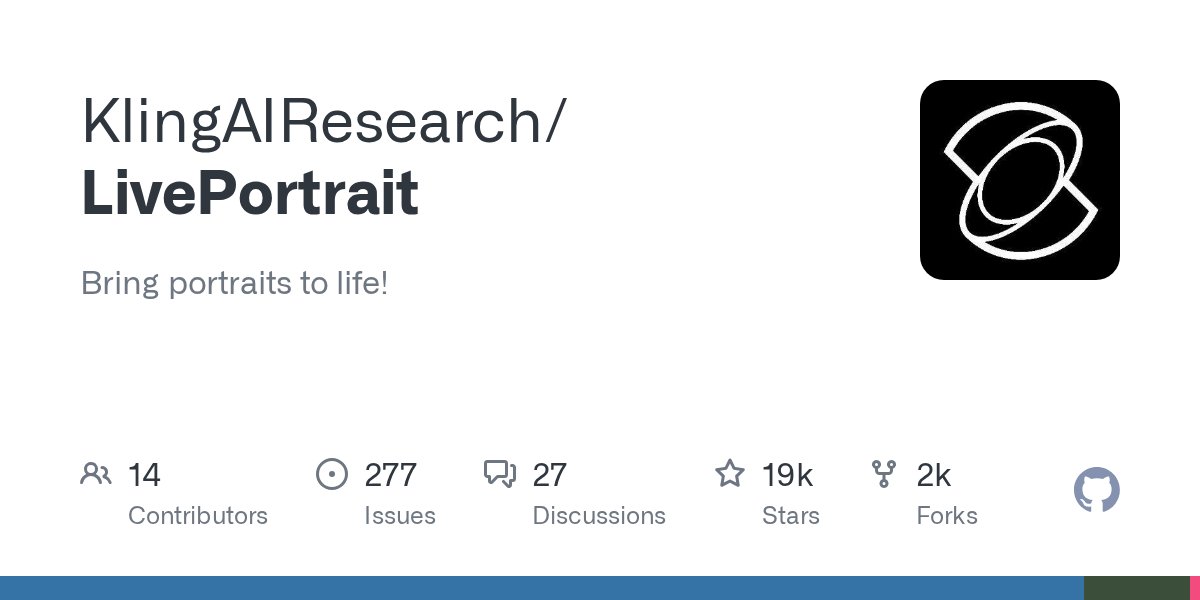
LivePortrait serves as the professional open-source benchmark for creators needing pixel-accurate motion control and absolute custom performance tracking. Developed by advanced AI engineering groups, this framework uses high-speed stitching and retargeting modules to map the movements of a webcam feed or a reference video file onto any portrait, cartoon illustration, or historical painting instantly. It excels at preserving the original artistic style and crisp texture boundaries of a photo, allowing users to direct precise eye rolls, complex mouth smirks, and lip structures with zero latent lag. The baseline repository is fully accessible on open-source hubs, making it a powerful solution for backend software developers building proprietary pipelines.
Visit the official LivePortrait repository on GitHub
Kling AI functions as a high-tier cinema-grade video generator that excels at translating static photographs into full-body cinematic action sequences. Utilizing a 3D spatiotemporal joint attention mechanism, the system models real-world physical laws, allowing an uploaded character to walk, move their hands, and interact with environmental elements realistically for up to two minutes per clip. The platform is highly regarded for its ability to maintain strict identity preservation while introducing massive physical displacement across the canvas, making it an essential tool for production studios drafting cinematic storyboards, digital video trailers, or product showcases. Accessing its uncompressed 1080p rendering tiers functions on a credit subscription framework.

Visit the official Kling AI website
D-ID Creative Reality Studio provides a robust corporate ecosystem engineered for corporate training departments, educational technology startups, and digital marketing managers. The platform focuses heavily on converting static photographs into highly stable talking virtual presenters and brand ambassadors. It supports text-to-speech generation across dozens of international languages and accents, automatically matching lip movements to output audio paths with clean precision. The interface includes full API access infrastructure and clear team workspace permission tiers, allowing enterprise networks to scale video content production without investing in expensive studio equipment, manual voice recordings, or time-consuming filming schedules.

Visit the official D-ID website
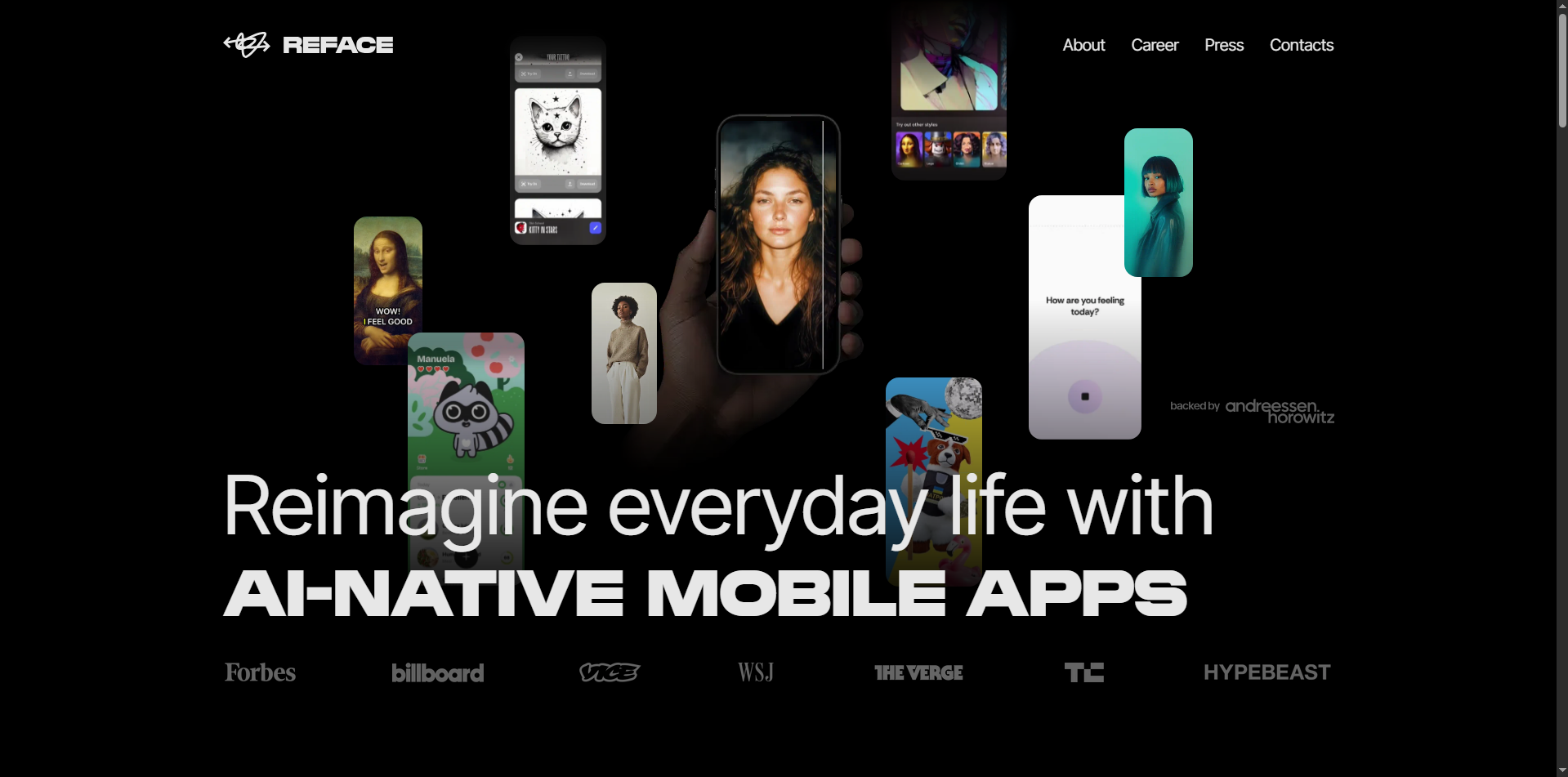
Reface offers an agile, entertainment-focused mobile platform optimized for rapid social media sharing, casual meme generation, and instant face-swapping animations. The application contains an extensive, constantly updated cloud library of pop-culture video templates, cinematic scenes, and animated character cycles where users can overlay their personal portrait files with a single tap. While it operates on lower-compute model matrices that prioritize immediate rendering speeds over cinematic details, its distinction remains in its seamless mobile interface and direct integration with messenger platforms, making it a highly accessible tool for non-technical users who want to build engaging mobile content on the go.
Visit the official Reface website
Technical Specification Matrix: Photo-to-Video Animation Software
To optimize video rendering pipelines and guarantee high visual fidelity across corporate presentation channels, technical managers must evaluate how different animation engines distribute cloud computing assets and format outputs. Selecting the right tool depends entirely on whether your project requires standalone facial lip-syncing or full-body physics modeling.
| Platform Name | Processing Infrastructure | Core Technical Input | Maximum Output Format | Primary Operational Focus |
|---|---|---|---|---|
| Deep Nostalgia | Specialized Archival GAN | Single face photograph scan | Standard MP4 Video Clip | Historical and genealogical portrait revitalization |
| Hedra Studio | Omnia Omnimodal Foundation | Photo + Text or Audio script | High-Definition MP4 / WebM | Expressive audio-driven talking avatar performances |
| LivePortrait | Open-Source Motion Transfer | Photo + Video-driven performance | Uncompressed file exports | Pixel-accurate face landmark retargeting control |
| Kling AI | 3D Spatiotemporal Transformer | Photo + Text motion parameters | 1080p Cinema Scale (30fps) | Full-body cinematic motion and physics-based generation |
| D-ID Studio | Enterprise Speech-to-Motion | Photo + Multilingual script | High-Definition MP4 / API feed | Corporate virtual presenters and e-learning video loops |
| Reface App | Mobile Fast-Inference Matrix | Photo + Pre-built app templates | Compressed MP4, GIF, WebP | Rapid consumer face-swapping and social media memes |
Operational Framework and Dataset Quality Control Checklists
Achieving a crisp, professional output from automated animation software relies directly on the structural precision of your initial input assets. Even the most advanced diffusion transformer model will generate messy facial distortions, blurred hair patches, or unnatural eye drifts if it is fed blurry, compressed, or heavily shadowed photography. Before initializing a cloud rendering sequence, content generation teams must enforce a strict asset screening checklist. Ensure the face is fully illuminated under neutral, balanced lighting conditions, features no dramatic profile angles, and is captured in a high native resolution profile. This quality control step gives the underlying landmark detection matrix the clean data needed to map facial structures accurately, avoiding generation anomalies.
Additionally, developers and content managers must pick software platforms based on strict compliance standards and long-term asset scalability. While free mobile applications or cloud-based demo accounts are acceptable for quick internal prototyping or creating casual social media reactions, handling client data or sensitive marketing archives requires enterprise-grade subscription tiers that enforce absolute data encryption parameters. Integrating your media asset storage directly with professional animation APIs allows you to run high-volume generation loops seamlessly, maximizing your deployment speeds while ensuring high data sovereignty across your corporate visual media distribution networks.
True production efficiency relies on input asset preparation; ensuring your source portraits feature clear, front-facing coordinates prevents generative networks from introducing visual errors.
Conclusion
The continuous maturation of machine learning frameworks has turned photo animation from a complex manual layout chore into a fluid, highly scalable digital asset. By connecting advanced reasoning models with multi-modal audio processing, modern platforms allow production agencies and archival institutions to generate lifelike visual content in a matter of seconds. Every application features unique processing constraints, requiring managers to select platforms that align with their exact format and budget limits. Combining automated neural passes with strict quality control guarantees that your animated media preserves historical accuracy, high structural authority, and professional corporate presentation utility.