How to Generate Celebrity Voices with AI: Best AI Text-to-Speech Tools
On this page
The transformation of standard text documents into expressive vocal narrations has evolved from mechanical robotic speech synthesis to advanced generative voice cloning. Historically, text-to-speech software produced rigid, flat readouts that completely lacked emotional nuance, natural pacing, and human breathing patterns, making them unusable for professional digital media. Modern artificial intelligence platforms streamline this asset production process by deploying deep neural voice models trained on extensive linguistic datasets. These specialized platforms can copy the distinct pitch, localized accent, and unique speech style of famous personalities, actors, or custom characters within seconds. This technical guide evaluates the leading AI vocal synthesis tools, detailing their multi-language stability, interface structures, and compliance parameters.
Modern Vocal Synthesizers: From Audio Snippets to Expressive Conversational Models
Current generation text-to-speech infrastructure goes far beyond old vocoder methods, operating instead within complex tokenized semantic frameworks. When a user uploads a script, the underlying algorithm analyzes punctuation, sentence hierarchy, and vocabulary structures to determine appropriate emotional inflection indices before rendering sound. Instead of matching words to static chopped audio samples, the neural network builds entirely new waveform outputs from scratch. This generative methodology allows the system to accurately reproduce natural micro-pauses, realistic inhalation sounds, and subtle shifts in vocal energy that match the specific tone of the chosen persona. This technical evolution eliminates the synthetic glaze common in legacy editors, enabling human-like narration for global distribution networks.
Furthermore, contemporary software suites have optimized the process of custom voice cloning. While older systems required hours of clean, studio-grade vocal records to construct a stable matrix, modern zero-shot synthesis engines can capture personal vocal identity from a single high-resolution audio clip. The algorithm isolates core acoustic variables—including throat resonance frequencies, average pacing metrics, and local sibilance traits—while neutralizing external room echo or microphone distortions. This vocal blueprint is then mapped onto a generalized text-to-speech network, allowing creators to generate completely customized character performances across dozens of international dialects while preserving the underlying identity markers of the source speaker.
Reviewed Segment of Leading AI Voice Inpainting Environments
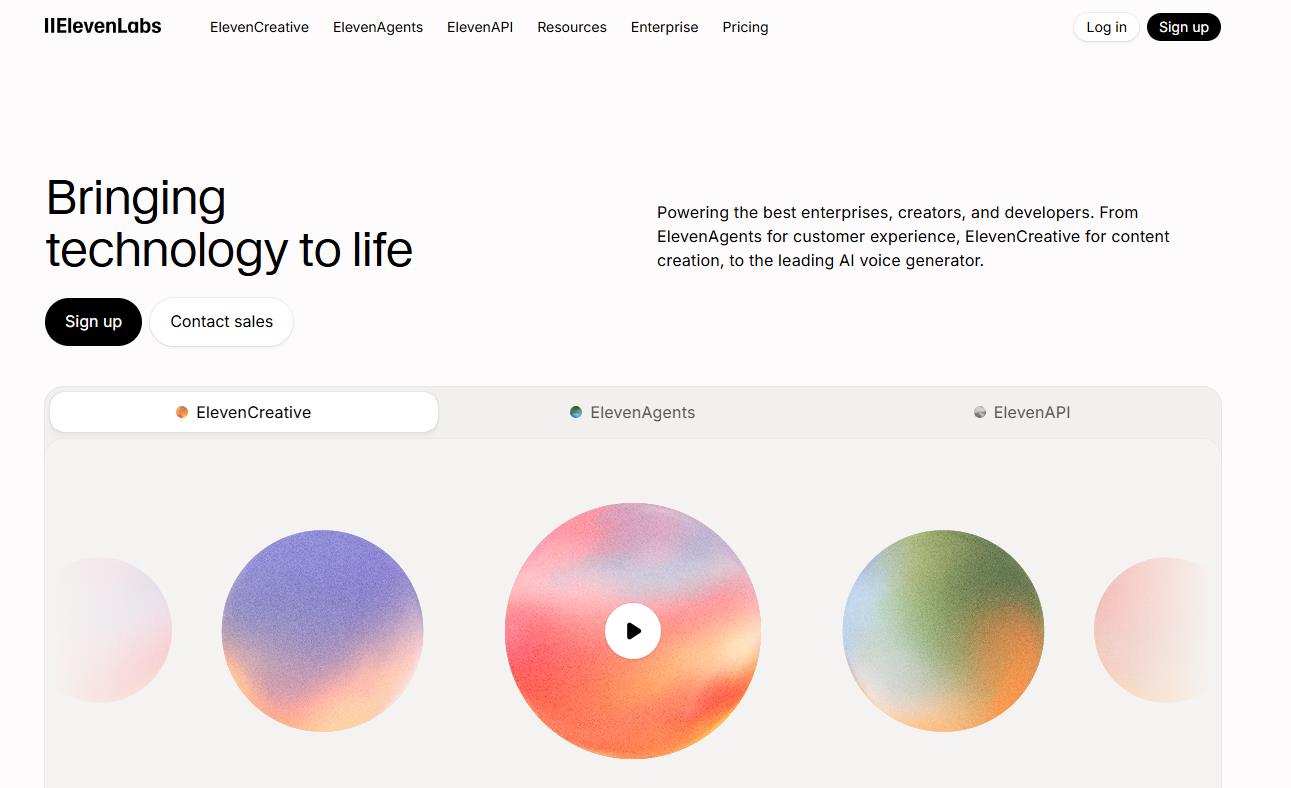
ElevenLabs stands as the definitive industrial standard for high-fidelity voice cloning, text-to-speech generation, and dynamic multilingual audio translation. Utilizing advanced semantic transformer layers, the system delivers unmatched emotional depth, automatically calculating appropriate narrative dramatic adjustments based on your script’s contextual meaning. Its curated library contains extensive collections of high-tier voice models, including official licensed partnerships with major historical figures and actors. The web workspace provides granular control sliders over stability, clarity, and style exaggeration parameters, making it an elite utility for generating audiobooks, localization layers, and cinematic video game prototypes.
Visit the official ElevenLabs website
FakeYou Voice Marketplace delivers a highly popular, community-driven online hub engineered specifically for character voice styling, pop-culture meme generation, and hobbyist audio creation. The platform hosts an expansive library containing thousands of community-contributed voice models mimicking fictional cartoon heroes, public politicians, and legendary cinema characters. Its straightforward web interface allows creators to quickly paste scripts, execute rapid cloud generation sequences, and download outputs without configuring local software development codebases. While it serves as an exceptional tool for rapid creative testing, free tier generation passes operate under message length restrictions and shared queue priority lines.

Visit the official FakeYou website
Descript Overdub provides a highly unique, text-centered audio editing ecosystem designed specifically for podcasters, corporate video editors, and digital media managers. By uploading a single high-quality sample of your own voice, the underlying Overdub engine constructs a private vocal clone, allowing you to fix script narration errors simply by typing new text directly into your script transcript dashboard. This text-based correction workflow removes the need to re-record voice tracks when correcting minor verbal mistakes, maximizing production speeds. The software is available as a comprehensive desktop application, maintaining strict safety protocols that prevent unauthorized third-party cloning.

Visit the official Descript website
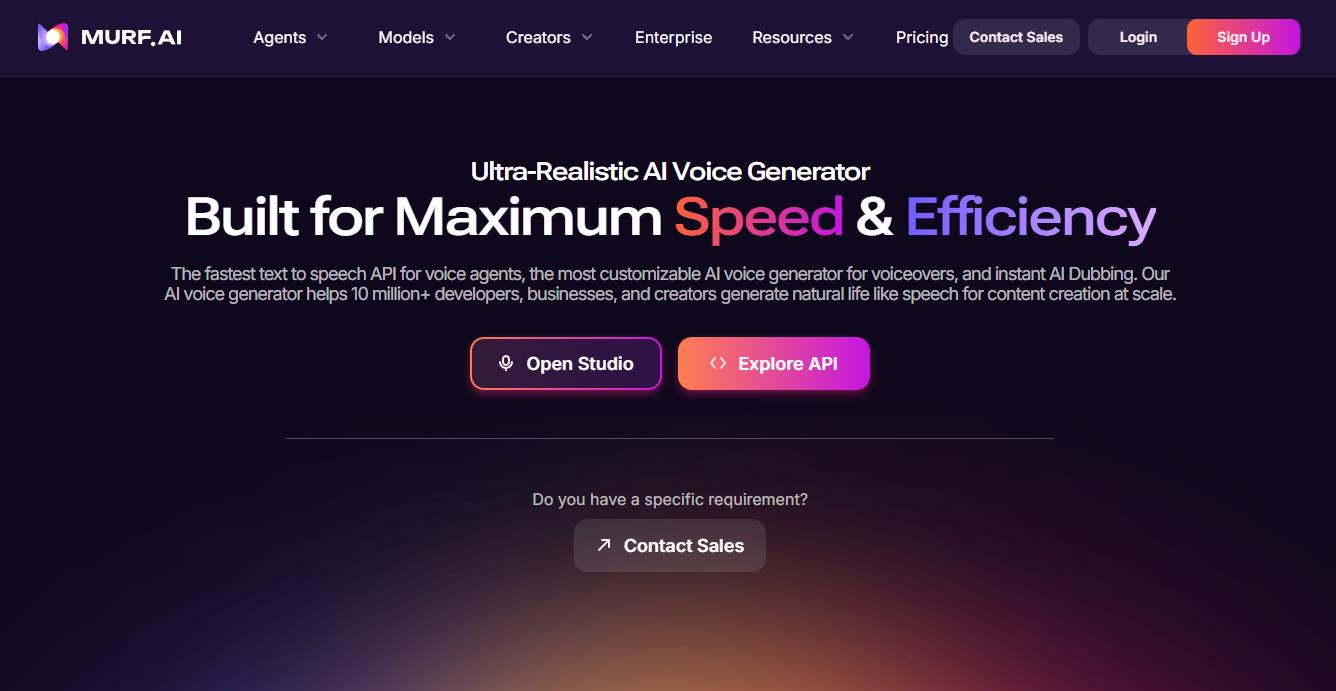
Murf AI targets corporate education developers, HR training specialists, and international marketing managers who require clean, professional narration assets without booking physical recording studios. The platform completely avoids unstable consumer character clones to focus on providing a secure library of licensed professional voice actors categorized by specific age brackets, promotional tones, and commercial styles. Its timeline editor allows designers to sync generated audio blocks with presentation slides, video modules, or localized music tracks inside a unified cloud space. The corporate subscription tier includes full commercial distribution rights out of the box.
Visit the official Murf AI website
Technical Specification Matrix: Speech Synthesis Software
To optimize your media production workflow and secure accurate token management across digital deployment channels, technical operators must compare how different generation platforms handle localized data encryption, file export qualities, and linguistic boundaries. Selecting the appropriate software setup minimizes rendering compression artifacts during heavy production cycles.
| Platform Name | Processing Deployment | Zero-Shot Cloning | Maximum Export Quality | Primary Technical Strength |
|---|---|---|---|---|
| ElevenLabs Hub | Web Cloud / Advanced API | Supported Natively | Uncompressed Studio WAV | Elite emotional expression and automatic multi-language translation |
| FakeYou Marketplace | Web Browser Cloud | Supported via Community | Standard MP3 / WAV | Massive catalog of fictional and community character presets |
| PlayHT Studio | Web Cloud / Real-time API | Supported Natively | High-Definition WAV | Long-form narration stability and robust software API connectivity |
| Descript Overdub | Local App / Cloud Assist | Private Profiles Only | Lossless Professional WAV | Inline text-based audio correction and script editing integration |
| Murf AI Workspace | Web Browser Cloud | Enterprise Ingestion | High-Definition MP3 | Licensed corporate voice library and presentation slide sync tools |
Legal Compliance Framework and Audio Quality Optimization
Implementing synthetic voice generation into an active public workflow demands strict adherence to evolving legal standards and personality rights regulations. Deploying unverified celebrity voice models for commercial promotional campaigns, public advertisements, or corporate branding layouts without explicit legal permission creates massive liability risks and can trigger immediate copyright enforcement actions under modern protection frameworks. Professional production teams limit their use of synthetic models to parody, internal creative storyboards, or fully licensed legacy voice marketplaces. When compiling your scripts, ensure that your text formatting avoids excessive punctuation stacks, as complex symbolic sequences can cause the generation network to output distorted accents or artificial sound glitches.
Furthermore, technical managers must choose their software tools based on strict data privacy constraints and deployment volume scales. While basic free tiers or community web spaces are sufficient for rapid ad-hoc prototyping or casual entertainment clips, processing proprietary script assets or corporate training data requires advanced enterprise subscriptions that enforce strict zero-data-retention security parameters. Launching your production loops through secure development APIs ensures that your audio assets are processed within enclosed cloud instances, preventing data leaks while delivering high-speed, consistent automation across your corporate multi-channel media distribution networks.
True operational optimization moves past simple brand loyalty; technical creators deploy specialized reasoning models for local file security and trust elite voice networks for high-realism commercial output.
Conclusion
The advancement of deep learning architectures has successfully transformed high-fidelity voice cloning from a labor-intensive sound studio project into an agile, scalable digital utility. By connecting text processing layers with context-aware audio transformers, contemporary platforms allow organizations to render lifelike vocal performances in a matter of seconds. Every software workspace features unique performance boundaries, requiring managers to select the platform whose formatting options and cost parameters align with their precise distribution goals. Combining smart software deployment with careful input screening guarantees that your generated content preserves original audio quality, emotional accuracy, and true commercial value.