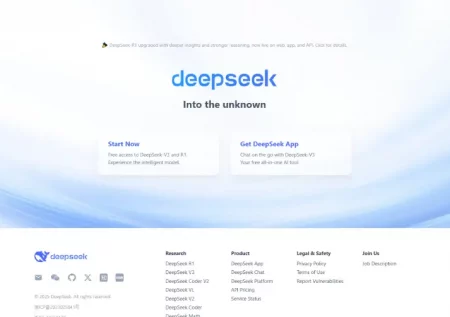
Mistral AI is a provider of cutting-edge open-source large language models for developers and businesses, focusing on efficiency and transparency.

T&Cs Apply
Pricing model: Freemium (free tier with limits, per-minute/flow payment for use). Developer: Mistral AI.

Are you familiar with WriteSonic? It is one of the most advanced neural networks for text generation.

T&Cs Apply
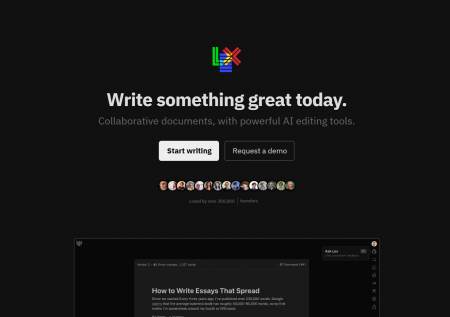
Pricing model: Free plan with limitations, paid subscriptions from $16/month. Developer: Writesonic (founded by Samanyou Garg, San Francisco).

Working with text? Wordtune AI is your indispensable smart online assistant. This neural network for generating text (or rather, its enhanced versions) is a powerful AI for writing texts that becomes your co-author.

T&Cs Apply
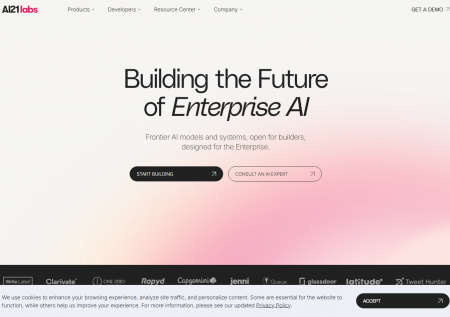
Pricing: Free plan (limited functionality), paid subscriptions starting at $6.99/month. Developer: AI21 Labs.
A simple online tool to remove unwanted objects from photos using AI.
T&Cs Apply
Pricing model: Freemium (free with limitations, paid subscription starting at $3/month). Developer: Clipdrop.

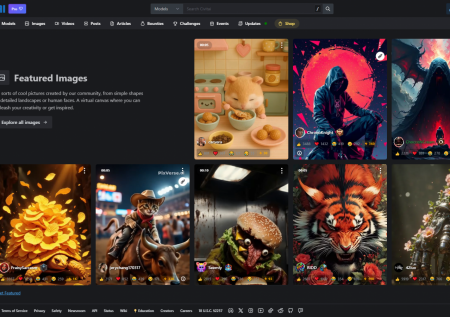
Imagine a giant creative laboratory. That's what Civitai is.
T&Cs Apply
Find the perfect model, whether it's for creating stunning AI-powered Instagram content or charismatic Civitai videos for TikTok. Share your own work – maybe your unique style will become a new trend?

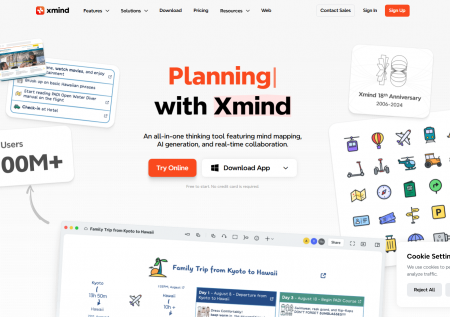
Xmind AI: Popular Mind Mapping Software. AI for Idea Generation
T&Cs Apply

• Pricing model: Free basic version; paid subscriptions (Pro, Ultimate)
• Developer: XMind Ltd.

Flair AI: Create Compelling Visual Content for Products with AI

T&Cs Apply
Pricing model: Freemium (free start + paid subscriptions). Developer: Flair Technologies Inc.

Simplified: All-in-One AI Platform for Marketing, Design, and Content Creation

T&Cs Apply
Pricing model: Freemium (Free plan with limitations, paid subscriptions). Developer: Simplified Inc.

DeepL: Highly Accurate AI Translator with Natural-Sounding Text.

T&Cs Apply
Pricing model: Freemium (free with limitations, paid subscriptions from €6.99/month) Developer: DeepL SE (formerly Linguee GmbH)

Gamma: Create attractive presentations, documents and web pages

T&Cs Apply
Pricing model: Freemium (free: 400 credits; paid subscriptions from $9.99/month) Developer: Gamma Technologies Inc.

OpenAI's Big Language Model That Can Conversation and More

T&Cs Apply
Pricing model: Freemium (free access to GPT-3.5, paid subscription ChatGPT Plus for $20/month for GPT-4). Developer company: OpenAI (founders: Sam Altman, Ilya Sutskever).

Runway is your personal digital workshop for working with visuals and sound.

T&Cs Apply

Pricing model: Freemium (free plan with limitations, paid subscriptions from $12/month).
Developer: Runway AI, Inc.

AI Tools for Marketers: Automating Campaign Execution, Audience Analytics, and Content Scaling

The modern digital marketing ecosystem requires managing a continuous stream of multi-channel ad campaigns, real-time consumer data points, search engine visibility updates, and high-volume asset production pipelines. Digital marketers, brand strategists, performance specialists, and growth hackers frequently encounter operational friction when balancing creative generation with rigorous analytical tracking. Dedicated AI tools for marketers address these workflow pressures by acting as data-driven automated assistants. These specialized software setups use machine learning, predictive modeling, and natural language processing to simplify audience segmentation, automate budget tracking, generate ad copy variations, and analyze performance metrics across active distribution channels.

Integrating artificial intelligence into a marketing framework updates how promotional teams design and execute their seasonal growth strategies. Instead of relying on manual data extraction from fragmented web analytics dashboards or spending days drafting individual copy variants for different social platforms, practitioners deploy automated software to handle time-consuming operational tasks. The primary objective of these platforms is to eliminate administrative delays and lower the technical barriers to large-scale data modeling. This structural automation allows digital marketing agencies, corporate brand teams, and e-commerce growth specialists to scale their campaign reach, compress production timelines from weeks to seconds, and focus on overall product positioning, budget optimization, and user experience frameworks.


Core Operational Functions of Marketing AI Software

The functional utility of artificial intelligence within commercial marketing setups centers on its capacity to process heavily structured performance metrics alongside completely unstructured consumer text files at an expansive scale.

  • Multi-Channel Ad Copy Variations: AI writing engines generate targeted headlines, email subject lines, short social call-to-actions, and long-form promotional text based on specific target demographic profiles, past ad history, or established brand guidelines.
  • Predictive Budgeting and Bid Optimization: Advanced machine learning algorithms evaluate live performance metrics across ad channels to automatically shift ad spend toward high-converting placements, reducing customer acquisition costs.
  • Semantic Audience and Sentiment Segmenting: Instead of processing text reviews or consumer feedback forms manually, data tools run automated text-mining models to categorize customer intent and isolate precise sentiment scores instantly.
  • Conversational Tracking and Interaction: Automated chat engines interact with incoming web visitors, answer product inventory queries, qualify potential leads, and direct users to relevant landing pages based on context analysis.

Targeted Professional Roles and Practical Marketing Workflows

Deploying specialized natural language and predictive systems helps diverse marketing departments eliminate production bottlenecks by replacing slow, manual research loops with fast, automated optimization pipelines.

Performance marketing managers and media buyers use these platforms to scale digital ad setups across search and social channels without losing structural focus. Instead of manually writing unique captions and title copy variations for multiple client profiles from scratch, professionals feed core project briefs and target age limits into software setups to produce distinct creative layouts, enabling brands to launch cross-platform initiatives with minimal setup delays.

E-commerce growth specialists and catalog managers rely on machine learning applications to handle massive volumes of optimized product pages simultaneously. When an online storefront adds a large batch of new seasonal inventory, automated content assistants help writing teams generate search-optimized category descriptions and structured meta tags, ensuring all web listings maintain uniform formatting rules and clear call-to-action signals.

Social media managers and email distribution specialists employ autonomous tools to handle multi-channel promotion loops. By connecting automated summary engines directly to corporate content management frameworks, teams quickly generate relevant promotional updates tailored for channels like X, LinkedIn, and email lists, ensuring corporate news receives immediate visibility without manual retyping.


Architectural Classification of Marketing Automation Tools

The wider market for digital marketing artificial intelligence features several distinct product categories based on system privacy setups, processing designs, and core business goals.

System Classification Primary Data Inputs Standard Workflow Output
Content Generation Frameworks Campaign briefs, demographic profiles, brand tone presets Ad copies, email bodies, social captions, title variations
Data Analytics Systems Ad account metrics, web traffic data, tracking pixels Budget allocations, churn probabilities, conversion curves
Audience Interaction Networks Customer text inputs, support files, live user paths Chat answers, lead qualification tags, page directions

Marketing teams must evaluate the advantages of cloud-hosted web platforms versus specialized plugins that embed directly into existing communication infrastructures. Standalone cloud setups offer extensive feature lists and immense processing power for heavy competitor research, macro data modeling, and seasonal campaign forecasting. Conversely, direct software integrations—such as specialized app extensions for customer relationship management tools or email clients—allow growth managers to access editing advice, ad copy metrics, and real-time optimization checks without leaving their primary analytical dashboards.


Key Technical Features and Quality Selection Parameters

When constructing an efficient digital marketing tech stack, marketing directors must prioritize concrete technical features over general software statements to ensure stable long-term platform utility.

  • Factual Source Anchoring: A professional marketing research tool must provide robust verification parameters. High-tier systems incorporate live web searching or direct data link references, allowing growth professionals to check calculations, product specifications, and regulatory compliance figures before publishing external copy.
  • Custom Brand Voice Calibration: Advanced publishing software allows marketing departments to upload past company documents, style sheets, or explicit vocabulary filters, ensuring all generated ad variations match the brand's unique style rules perfectly.
  • Native API Interoperability: Software tools must connect directly with current workflows via standard REST APIs, making it simple to transfer performance data, ad copies, or audience analytics directly into corporate spreadsheets, tracking tools, or visualization dashboards.

A Structured Pipeline for AI-Assisted Campaign Management

To gain predictable value from machine learning systems while keeping total control over campaign quality, marketing professionals should use a structured five-step workflow.

  1. Scope Identification: Gather all relevant project brief notes, target audience data, primary keywords, product selling features, and target distribution channels to form the operational base.
  2. Boundary Configuration: Set strict parameters within the software workspace, defining the expected text length, target tone values, and specific formatting guidelines to guide processing models effectively.
  3. Autonomous Asset Production: Run the processing engine to build initial concept outlines, generate text combinations, map audience segments, or project budget trends based on your input parameters.
  4. Human Editorial Adjustment: Carefully check every financial projection for calculation accuracy, verify all text variations against real product specs, and inject personalized professional insights, technical polish, and creative hooks.
  5. Campaign Deployment and Review: Finalize the asset through formatting validation tools and export the clean text or budget logs directly into your live ad manager or web distribution platform.

"Artificial intelligence cannot substitute for the emotional nuance, cultural understanding, and strategic reasoning of an experienced marketing professional. Instead, it eliminates the operational drag of mechanical drafting and data sorting, turning marketers into high-level editors and supervisors of automated campaign pipelines."