How to Make a Caricature from a Photo: AI for Creating Caricatures
On this page
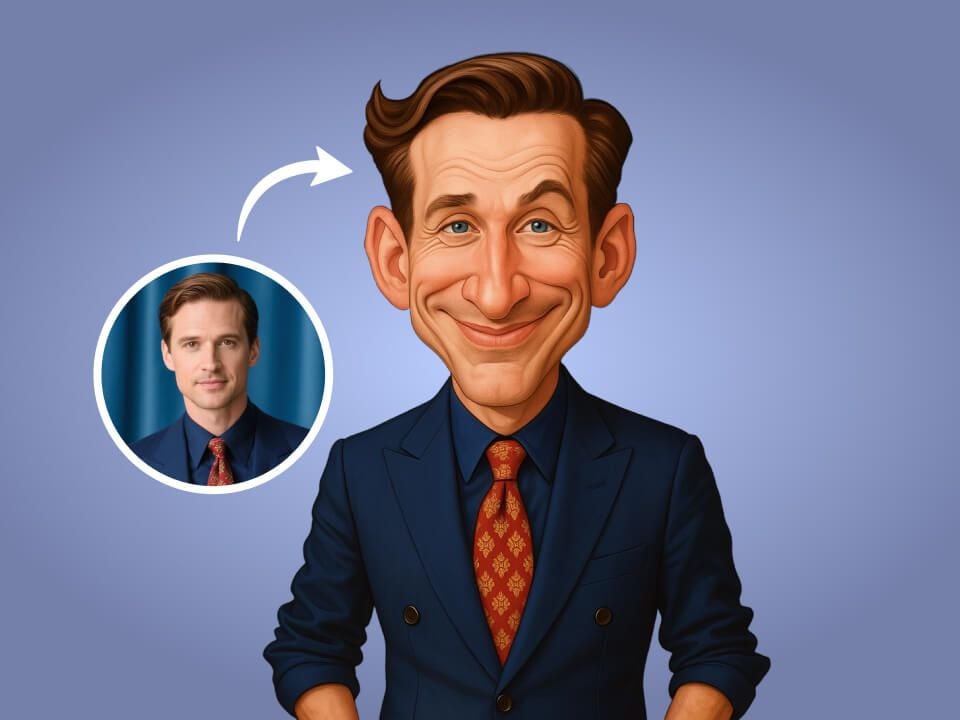
The integration of machine learning into graphic design has shifted the creation of caricatures from manual portrait distortion to automated neural synthesis. Historically, professional caricaturists spent years mastering the balance between facial exaggeration and recognizable identity mapping. Modern artificial intelligence platforms automate this process, allowing users to transform standard photographs into high-quality stylized illustrations within seconds. This evolution expands creative possibilities for digital content creation, personal branding, marketing campaigns, and merchandise design. Rather than applying standard distortion filters over existing pixels, contemporary generative networks analyze structural inputs to render entirely new vectors, ensuring distinct and visually cohesive outputs tailored for diverse digital use cases.
Algorithmic Mechanics of Neural Caricature Generators
Current stylization environments rely on deep generative adversarial networks and diffusion models to execute complex portrait transformations. When a high-resolution portrait is uploaded into the pipeline, the system initiates a landmark detection phase, mapping dozens of key anthropometric coordinate points across the eyes, jawline, nose, and mouth. The algorithm then translates these metrics into a multi-layered mathematical matrix. This matrix interacts with specialized style-adaptation layers trained on extensive datasets of traditional illustrations, comic book art, and hand-drawn caricatures. Instead of performing uniform scaling, the neural network calculates the unique expressive variance of a face, enlarging or minimizing specific geometry while ensuring the core underlying identity remains fully recognizable in the final output.
Top AI Platforms for Photo-to-Caricature Transformation
ToonMe serves as a highly accessible consumer application designed to convert portraits into stylized cartoon avatars and digital illustrations. The platform operates primarily through mobile interfaces and web cloud pipelines, offering users an extensive library of preset aesthetic filters ranging from 3D animation styles to classic comic book ink drawing. The underlying system utilizes automated facial cropping, which isolates the primary subject and neutralizes complex backgrounds to emphasize structural facial modifications. While the baseline interface allows for rapid generation, maximum resolution exports and specialized thematic filters are restricted behind a premium monthly subscription model, and performance metrics drop when handling heavily compressed or poorly lit source media.
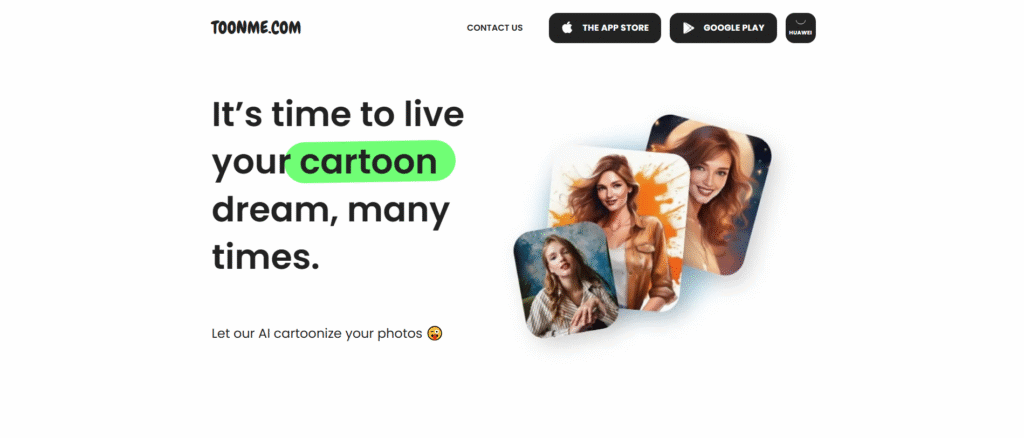
Visit the official ToonMe website
Cartoonify delivers a lightweight, browser-based utility that focuses on immediate, registration-free vector and cartoon transformations. This tool provides an entry-level environment where users can quickly adjust basic parameters, such as relative head size or eye scaling ratios, before executing the style transfer model. Because it runs an optimized, lower-compute framework directly in cloud sandboxes, processing speeds are rapid, making it suitable for casual web content creation. However, the simplified architectural layout results in less precise detail retention on intricate facial features compared to heavy multi-stage networks, meaning complex lighting situations or group photos often yield less predictable outcomes.
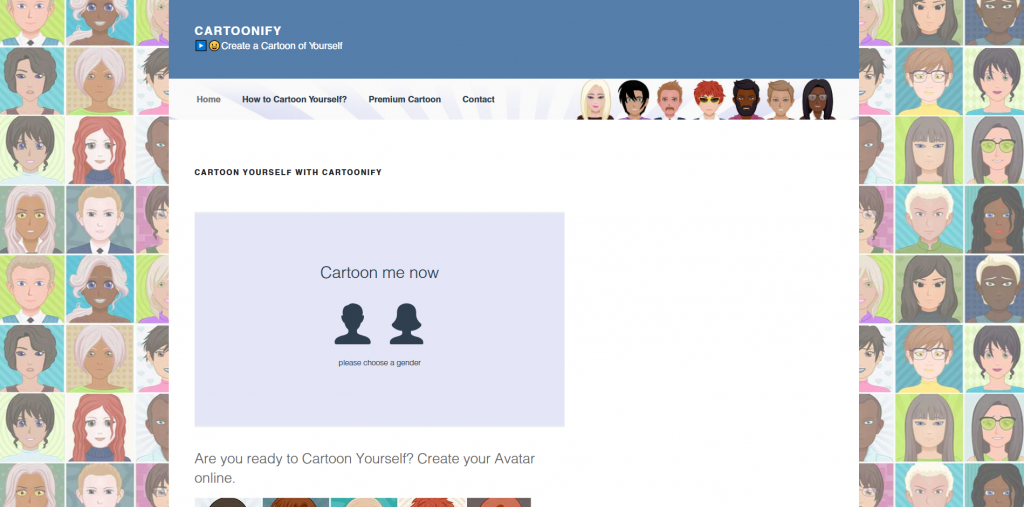
Visit the official Cartoonify website
Picsart provides a comprehensive, professional-grade creative ecosystem equipped with advanced generative AI model layers like Flux and Recraft V4. Within its expansive interface, the specialized cartoon character maker allows users to combine textual prompt instructions with image reference maps to generate tailored caricatures. The system supports full-body generation, background modification, and precise asset placement, making it a powerful tool for developing marketing materials or consistent webtoon panels. Users can export stylized imagery in resolutions up to 8K, ensuring print-ready fidelity for merchandise or publication. Accessing this professional toolkit requires a commercial subscription, which functions as a scalable investment for design agencies.
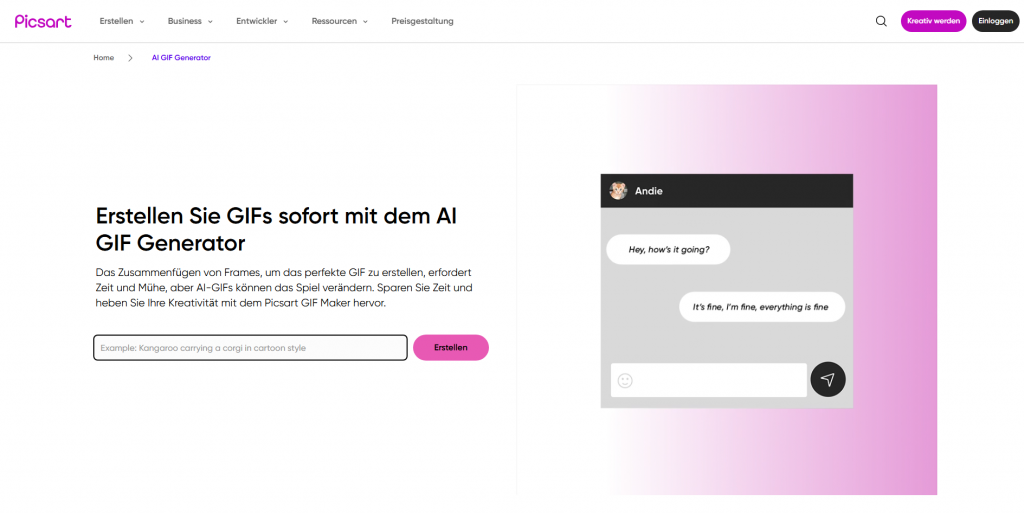
Visit the official Picsart website
DeepArt utilizes neural style transfer mechanisms to blend the structural composition of a user photograph with the stylistic textures of classical artwork or traditional ink caricatures. The system excels at rendering complex, painterly brushstrokes and abstract lighting matrices, resulting in artistic interpretations that closely mimic physical media. This heavy computational processing requires cloud queue systems, which can result in longer rendering wait times for users on the baseline service tier. Because the core engine optimizes for global stylistic patterns across the entire canvas, fine facial detail retention can occasionally become distorted, making it ideal for experimental fine-art compositions rather than precise commercial vector logos.
Visit the official DeepArt website
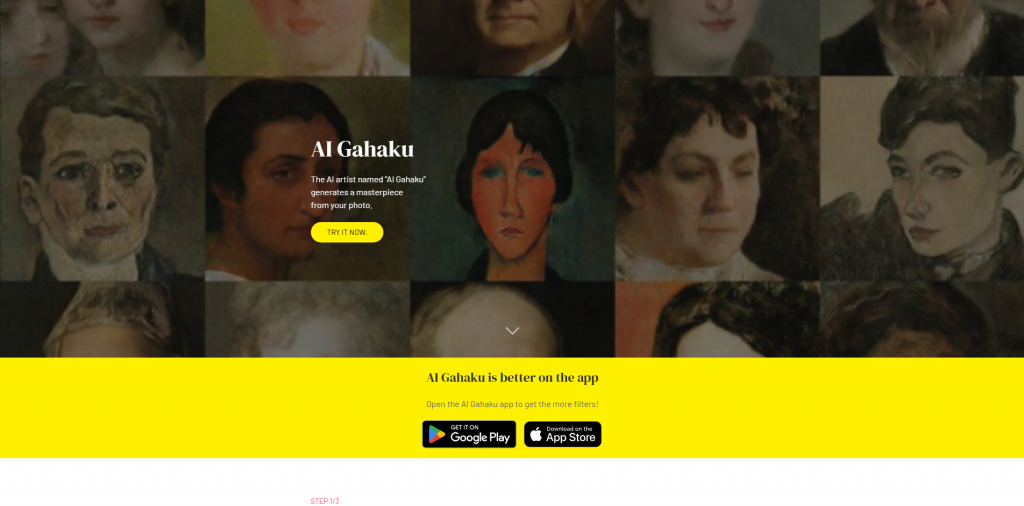
AI Gahaku operates as an automated portrait engine specialized in transforming photographs into oil paintings, renaissance masterpieces, and classic pop-art caricatures. Developed by engineering teams in Tokyo, the neural network features an expanded database of over 300 artistic filters and automatically crops facial regions to maximize execution accuracy. Recent updates directly addressed historical dataset biases by adjusting ethnic skin tone replication models, significantly enhancing generation fidelity for global user profiles. The basic web version functions well for standalone avatar creation, whereas the dedicated mobile application provides higher resolution outputs, advanced frame customizers, and optimized color matrix controls for digital artists.
Visit the official AI Gahaku website
Comparative Specifications of Stylization Engines
To maximize operational efficiency, designers must evaluate how different computational engines handle format distribution, processing latency, and canvas manipulation boundaries. Selecting the proper environment requires matching your target production pipeline against specific platform constraints.
| Platform Title | Core Model Architecture | Maximum Output Format | Batch Processing | Primary Artistic Focus |
|---|---|---|---|---|
| ToonMe | Multi-preset style filter matrix | Standard JPEG / PNG | Not Supported | Casual consumer avatars, 3D animated styling |
| Cartoonify | Simplified latent deformation cloud | Standard JPEG / PNG | Not Supported | Rapid, registration-free consumer vector mockups |
| Picsart AI | Advanced Diffusion (Flux / Recraft) | Up to 8K Print-Ready Ultra HD | Supported Natively | Professional commercial graphic design, multi-style assets |
| DeepArt | Neural Style Transfer (NST) layers | Standard Web Resolution | Not Supported | Abstract painterly textures, classical artistic blending |
| AI Gahaku | Automated Portrait Style Encoder | High-Definition via App Tier | Not Supported | Classical oil paintings, pop-art, historical illustration |
Technical Factors for Selecting an AI Stylization Tool
Operational success depends entirely on aligning the degradation or clarity profile of your source image with the specialized training focus of the chosen software. For projects that require commercial printing or corporate brand integration, utilizing high-tier platforms like Picsart is mandatory to secure the necessary output resolutions and vector asset control. If the primary task involves creating stylized social media graphics quickly without establishing accounts, web-based tools like Cartoonify allow for rapid asset generation. When the creative direction demands an oil-painted aesthetic or classical illustration style that highlights traditional human brushwork, AI Gahaku provides superior color-mapping parameters.
Furthermore, operators must manage the balance between extreme anatomical exaggeration and structural facial accuracy. Aggressive consumer applications can occasionally produce distorted artifacts that alter crucial identity markers, rendering the output unrecognizable or visually inconsistent. To minimize these generation errors, professional workflows utilize clear, front-facing source portraits with uniform studio lighting. Ensuring your production pipeline balances automated style rendering with human manual post-editing preserves the structural value of the caricature, maintaining its utility across professional portfolios and commercial distribution networks.
Systematic asset generation relies on input data precision; a clean source photograph prevents generative models from interpreting shadows as structural facial defects.
Conclusion
The advancement of deep learning architectures has successfully transformed caricature generation into a precise, scalable digital process. By utilizing trained neural networks, creators can bypass traditional manual illustration constraints to build extensive stylized asset libraries for commercial or personal use. Because each platform features individual model limits, production success depends on selecting the tool that aligns with your specific format requirements. Combining automated generation passes with professional graphic oversight ensures your final caricatures maintain high visual authority, authentic humor, and clear corporate utility.