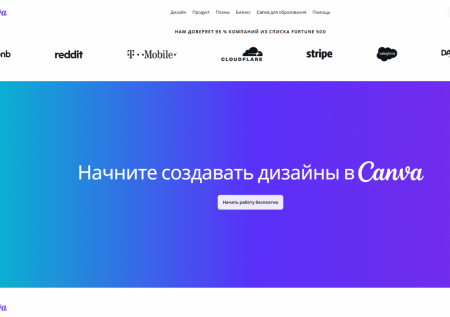
Canva's built-in tool for generating images from text descriptions.
T&Cs Apply
Pricing model: Free basic functionality; Pro version starts at €109.99/year. Developer: Canva Pty Ltd (Australia).
A quick overview of Seedream: it's your personal AI-powered content generator that writes text, creates images, and helps you optimize them for search engines.
T&Cs Apply
Pricing model: Freemium (basic functionality free, paid subscription for advanced features). Developer: Seed from ByteDance

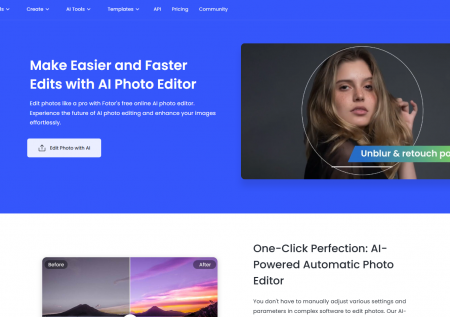
Fotor: Free online photo editor and designer. AI-powered features: photo enhancement, background removal, photo effects
T&Cs Apply
Pricing model: Free basic plan; paid Pro (starting at $3.33/month) and Pro+ (starting at $7.49/month) subscriptions. Developer: Chengdu Everimaging Co Ltd.
Krea AI is a neural network for generating and intelligently editing images through a simple web interface.

T&Cs Apply
Pricing model: Freemium (free with limits, paid subscription). Developer: Krea.
Kling AI is a neural network that can create videos directly from text. That is, you just write what you need to see, and she turns your words into a moving picture.
T&Cs Apply
Price model: Freemium (free with daily credits, paid subscription starting at $6.99/month). Developer: Kuaishou Technology.
Gemini is a multi-functional AI assistant from Google for generating and analyzing text, code, and images.
T&Cs Apply
Pricing model: Freemium (free with limits, paid Gemini Advanced subscription). Developer: Google (DeepMind).

Midjourney is a AI that creates images based on a text query. It is often used to quickly visualize ideas: from sketches to finished illustrations.

T&Cs Apply
Pricing model: Paid subscription from $10/month, temporary free trial (up to 25 generations). Developer: Independent research lab Midjourney (self-funded team of 11 employees).
A simple online tool to remove unwanted objects from photos using AI.
T&Cs Apply
Pricing model: Freemium (free with limitations, paid subscription starting at $3/month). Developer: Clipdrop.

D-ID is a tool to "bring to life" a photo or even just a description of a person. You take an ordinary photo - say, a portrait of a colleague from the last corporate party or even a picture of Napoleon from a textbook - and literally in a couple of minutes the person in this image comes to life and starts speaking your words.

T&Cs Apply
Pricing Model: Paid subscription, free trial (14 days, 5 minutes of video with watermark). Developer: D-ID (founded 2017, headquartered in Tel Aviv, Israel).

Flair AI: Create Compelling Visual Content for Products with AI

T&Cs Apply
Pricing model: Freemium (free start + paid subscriptions). Developer: Flair Technologies Inc.

OpenAI's Big Language Model That Can Conversation and More

T&Cs Apply
Pricing model: Freemium (free access to GPT-3.5, paid subscription ChatGPT Plus for $20/month for GPT-4). Developer company: OpenAI (founders: Sam Altman, Ilya Sutskever).

Runway is your personal digital workshop for working with visuals and sound.

T&Cs Apply

Pricing model: Freemium (free plan with limitations, paid subscriptions from $12/month).
Developer: Runway AI, Inc.

AI Tools for Artists: Automating Digital Painting, Asset Creation, and Concept Generation

Digital artists, illustrators, and concept designers frequently encounter workflows that stall creative output, such as repetitive background painting, manual textures, and endless iterative drafting. Finding accurate reference imagery or spending hours adjusting lighting maps takes away from high-level creative direction. Dedicated AI tools for artists address these bottlenecks by serving as intelligent studio assistants. These software programs use generative models and semantic image manipulation to accelerate asset production, streamline upscaling, and transform text prompts or simple sketches into detailed visual compositions.
Integrating artificial intelligence into a creative workspace introduces a collaborative design method where human direction pairs with algorithmic speed. Instead of beginning with a blank canvas or manually hunting for image stocks, creators can build unique source material via guided prompts. The core purpose of these creative platforms is to optimize technical labor. This shift allows comic illustrators, game designers, and brand creators to experiment rapidly with visual concepts, bypassing traditional draft phases and reaching final production pieces much faster.

Core Functions and Structural Automation in Creative AI

The practical value of artificial intelligence in contemporary art rests on its capacity to interpret descriptive text, track structural geometric lines, and apply complex stylization to raw sketches. While legacy graphic design software requires manual pixel painting, generative image networks parse high-resolution inputs to create contextual, stylized outputs based on user criteria.

  1. Guided Image Synthesis: Artists use multi-modal text-to-image models to generate unique background assets, texture maps, or full character concepts from descriptive technical language.
  2. Sketch-to-Image Rendering: By analyzing the spatial contours of a rough line drawing, these algorithms apply color palettes, ambient shadows, and realistic material textures while keeping the original composition intact.
  3. Intelligent Elements Painting: Modern painting programs use localized inpainting and outpainting to let creators add new visual elements or expand canvas boundaries seamlessly.
  4. Advanced Detail Upscaling: Instead of simply stretching a low-resolution graphic, neural network engines analyze image surfaces to reconstruct fine textures like skin pores, fabric weaves, or environmental grime.

Targeted Creative Roles and Practical Industry Workflows

Deploying specialized generative systems helps distinct art departments remove production delays by replacing manual rendering cycles with fast asset generation. Concept artists working in game development and filmmaking use these tools to build immediate pitch materials. Instead of spending days rendering individual environment sheets or costume choices, they deploy generative engines to test color variants and perspective layouts across dozens of thumbnails simultaneously.
Comic book illustrators and storyboard designers use AI networks to maintain stylistic continuity across multiple sequential panels. When a production requires a uniform ink or cell-shaded style, automated style-transfer models apply specific artistic parameters to raw photographic references or 3D layout guides, speeding up the line-art phase.
Textile designers and environment modelers rely on autonomous pattern generators to construct seamless textures for 3D assets. By connecting specialized AI tools directly to digital design setups, studios can automate the creation of realistic wood grains, metallic surfaces, or fantasy landscapes, keeping digital worlds visually cohesive without requiring manual asset painting.

Architectural Classification of Visual AI Tools

The wider market for digital art software features several distinct product categories based on system privacy, processing architecture, and creative goals.

Software Category

Primary Visual Inputs

Standard Creative Output

Generative Synthesis Engines

Text descriptions, stylistic image inputs

High-resolution concept art, background assets, reference plates

Guided Sketch Translators

Rough line art, brush vectors, spatial shapes

Rendered digital paintings, textured concept models, character turnarounds

Texture and Optimization Tools

Low-resolution files, flat images, canvas crops

High-fidelity texture maps, upscaled printable graphics, expanded backgrounds

Creators must evaluate the advantages of cloud-based web applications versus local machine deployments. Cloud interfaces provide incredible computing speeds and fast setup for independent freelance artists. On the other hand, commercial design studios managing sensitive intellectual property or proprietary game assets regularly select local open-source systems to keep data secure within their internal hardware pipelines.

Key Technical Features and Quality Parameters

When building a modern digital art toolkit, technical directors must look past marketing buzzwords and focus on specific operational features.

  1. Controllable Geometry Networks: High-tier creative software must include spatial conditioning tools that allow artists to specify exact camera angles, human poses, or edge detections before generating an image.
  2. Layer-Based File Exporting: A professional workflow requires tools that can separate generated foreground elements from backgrounds, allowing easy file transfers into standard painting applications like Photoshop.
  3. Custom Style Finetuning: Advanced art platforms allow creators to train smaller, localized models on their own personal portfolio work, ensuring the AI output mirrors their signature visual style.

A Professional Pipeline for AI-Assisted Art Production

To gain predictable results from machine learning systems while keeping total control over artistic intent, professionals should follow a clear five-step creation pipeline.

  1. Concept Outlining: Set the initial creative goal by writing descriptive text criteria or drawing a basic structural layout to map the primary compositional scale.
  2. Boundary Structuring: Configure your chosen software by setting clear dimensions, locking the desired color palette, and choosing structural reference models to prevent unwanted anatomical or perspective distortions.
  3. Algorithmic Generation: Run the generative system to produce an initial set of thumbnail options, selecting the most effective visual directions for further work.
  4. Refinement and Inpainting: Use targeted canvas brush tools to fix small visual glitches, adjust lighting details, and upscale the file to production-ready resolutions.
  5. Manual Post-Processing: Import the final generated asset into a traditional painting program for hand-guided color corrections, fine detail painting, and layout composition checks.

"Artificial intelligence cannot replace the unique vision or personal style of a human artist. Instead, it handles the slow mechanics of rendering and asset variations, giving creators the freedom to focus on art direction, visual storytelling, and conceptual depth."